
Sprinklers vs. Gel vs. Retardant: Which Active Defense Should You Buy First?
Three product categories claim to protect your house when the fire arrives. They work in different ways, on different timelines, and at very different prices.
Timeline is the whole question
Long-term retardant is applied days or weeks ahead. Gel is applied in the last hour before you leave. Sprinklers run while the fire passes. Which one is right depends on how much warning you'll realistically get, whether you'll be home, and whether your water will keep flowing.
Exterior sprinklers
Highest impact, most dependent on infrastructure. A roof and gutter sprinkler kit raises humidity around the house, wets the roof and knocks down embers for as long as water flows. The failure mode is obvious: when municipal pressure drops — which it does in nearly every large wildfire — a hose-fed kit stops. Pair it with a pump and a pool or tank and it becomes the most effective consumer product on this site.
 Illustration
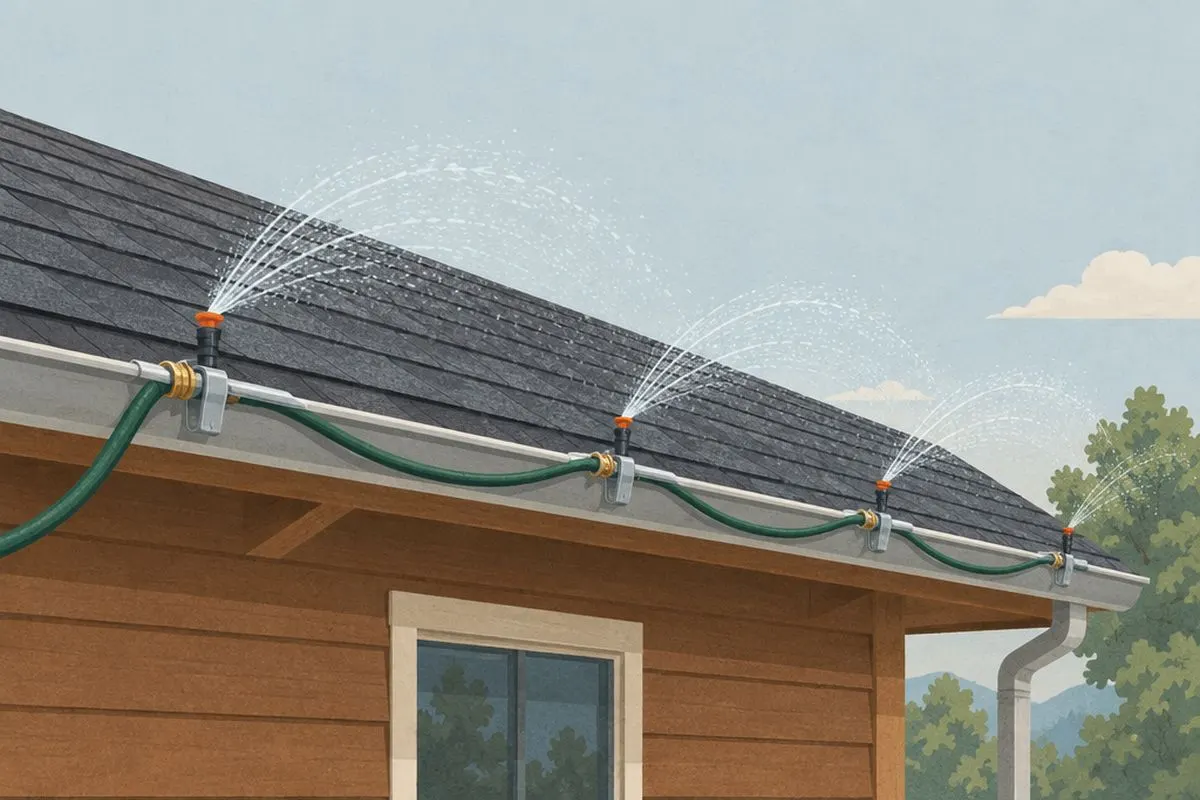
WASP Wildfire Protection Full Kit
Canadian-designed gutter-clip sprinkler heads that install in minutes without tools and run off a standard garden hose. The full kit covers a typical roofline and includes hoses and splitters.
 Illustration
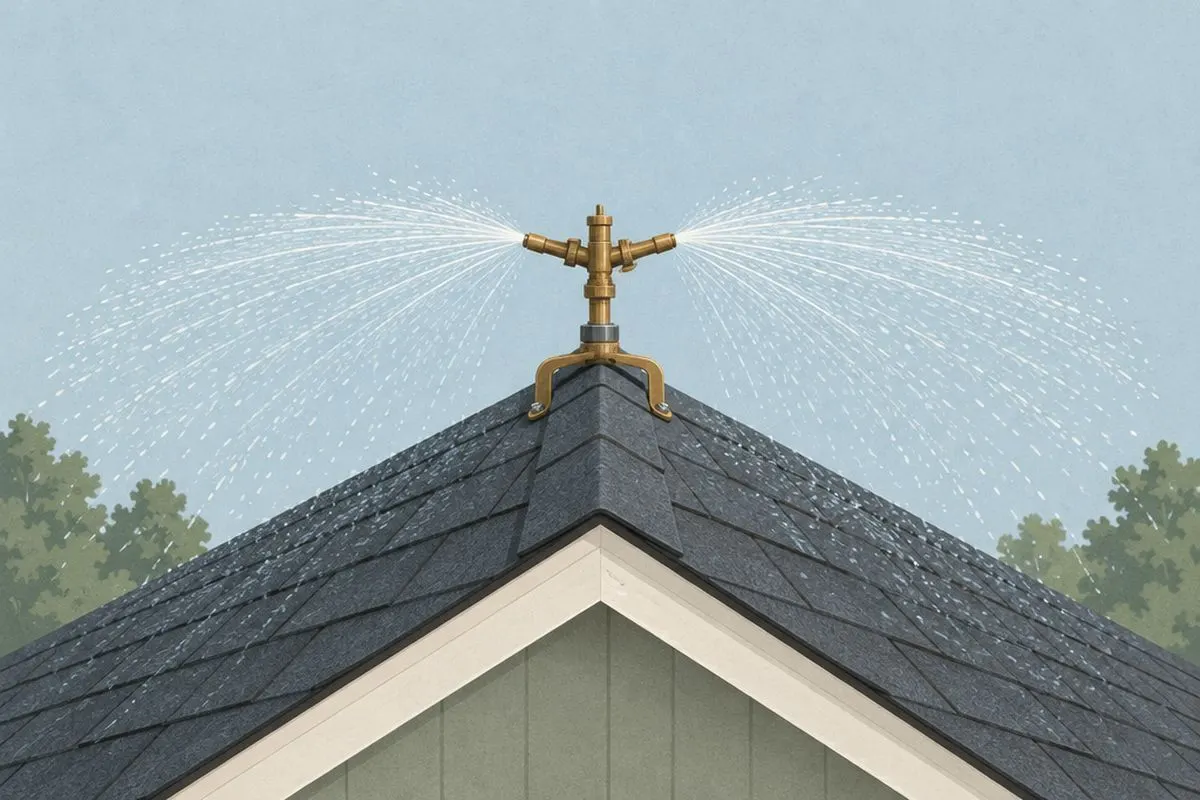
Platypus Roof Sprinkler
A brass roof-ridge sprinkler that straddles the peak and throws a wide circular pattern over both roof slopes. Originally from Australia, where roof sprinklers are standard in bushfire zones.
 Illustration
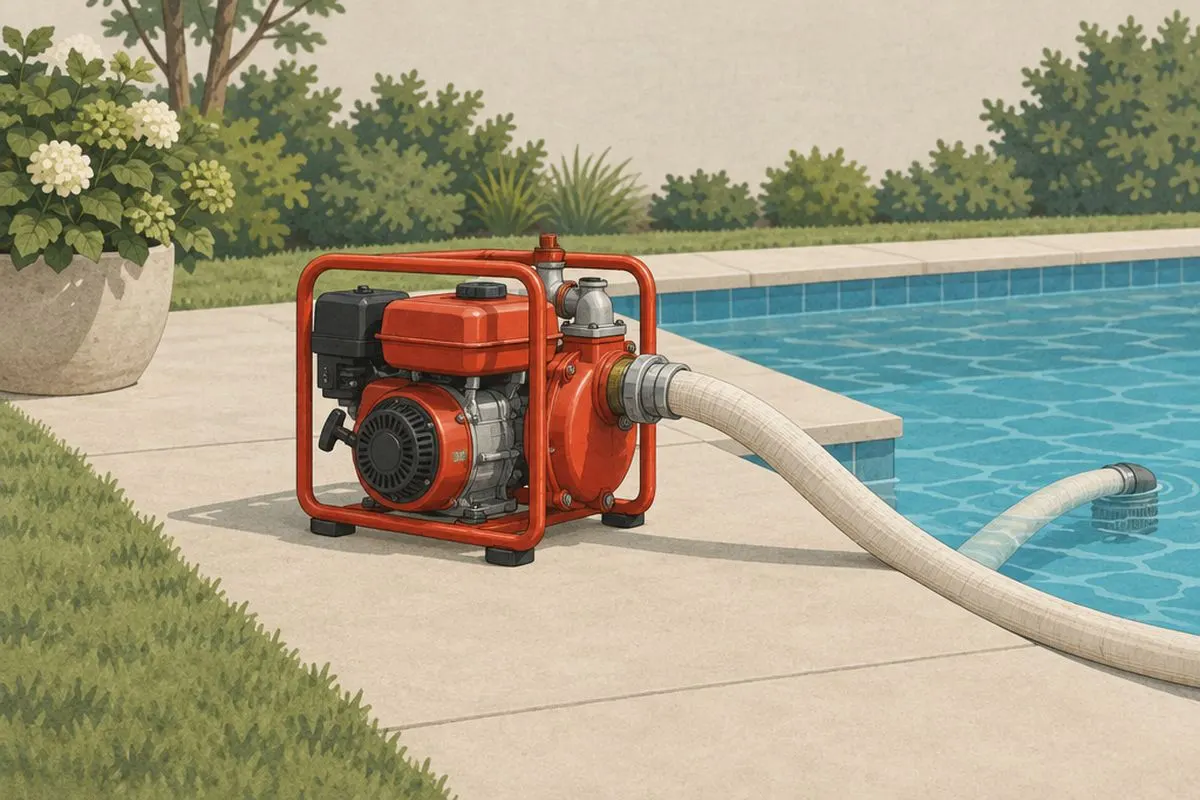
Portable Gas Fire Pump (1.5 in)
A high-pressure 1.5 in gas pump moves water from a pool, pond or tank at enough pressure to run a roof sprinkler kit plus a hose line. The Honda-engine models are the reliability benchmark; buy the high-pressure variant, not the trash-pump variant.
Fire-blocking gel
Gel clings to walls, windows, decks and fences and holds a water layer against radiant heat and embers for six to twenty-four hours. It needs no ongoing water once applied, which makes it the right product for people who evacuate. The catch: you need forty psi at the hose bib to apply it, and you need to be there to apply it.
 Illustration
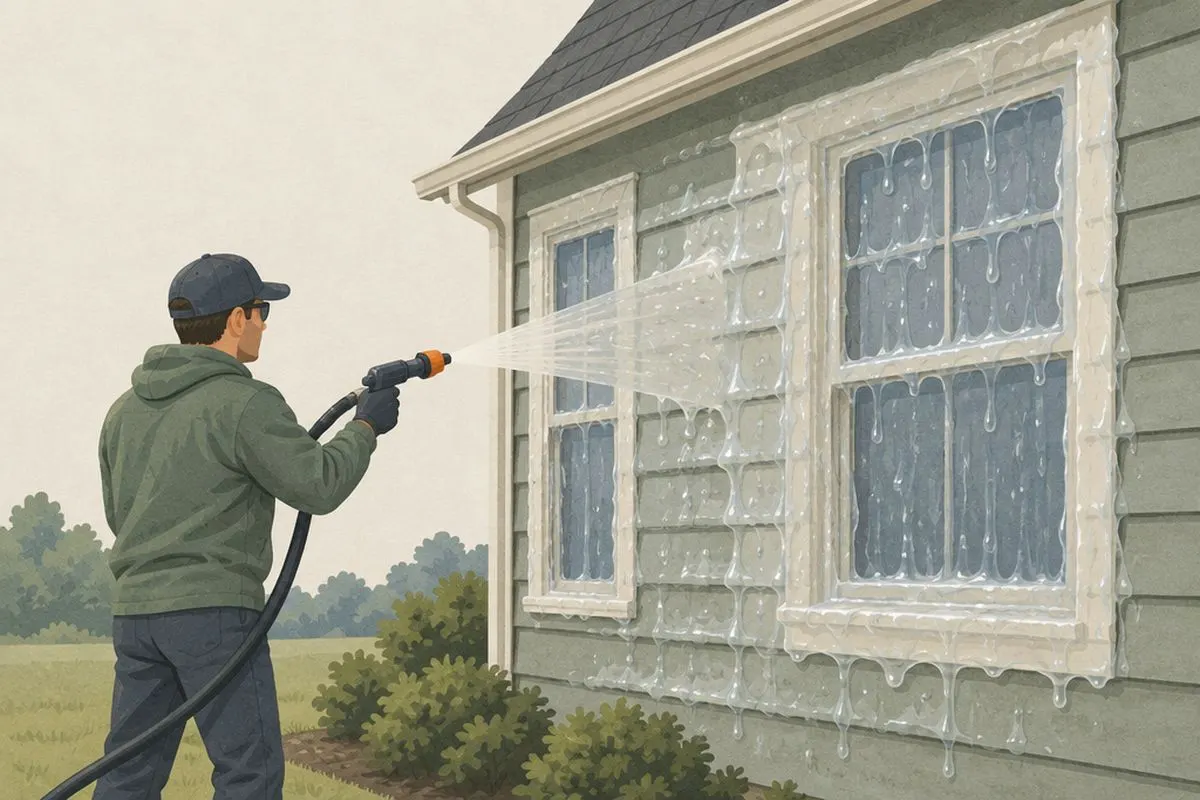
Barricade Fire Blocking Gel
A superabsorbent polymer gel that clings to vertical surfaces and holds a water barrier for hours. Used by fire departments; the home kit includes a hose-end applicator. Apply when evacuation is ordered.
 Illustration
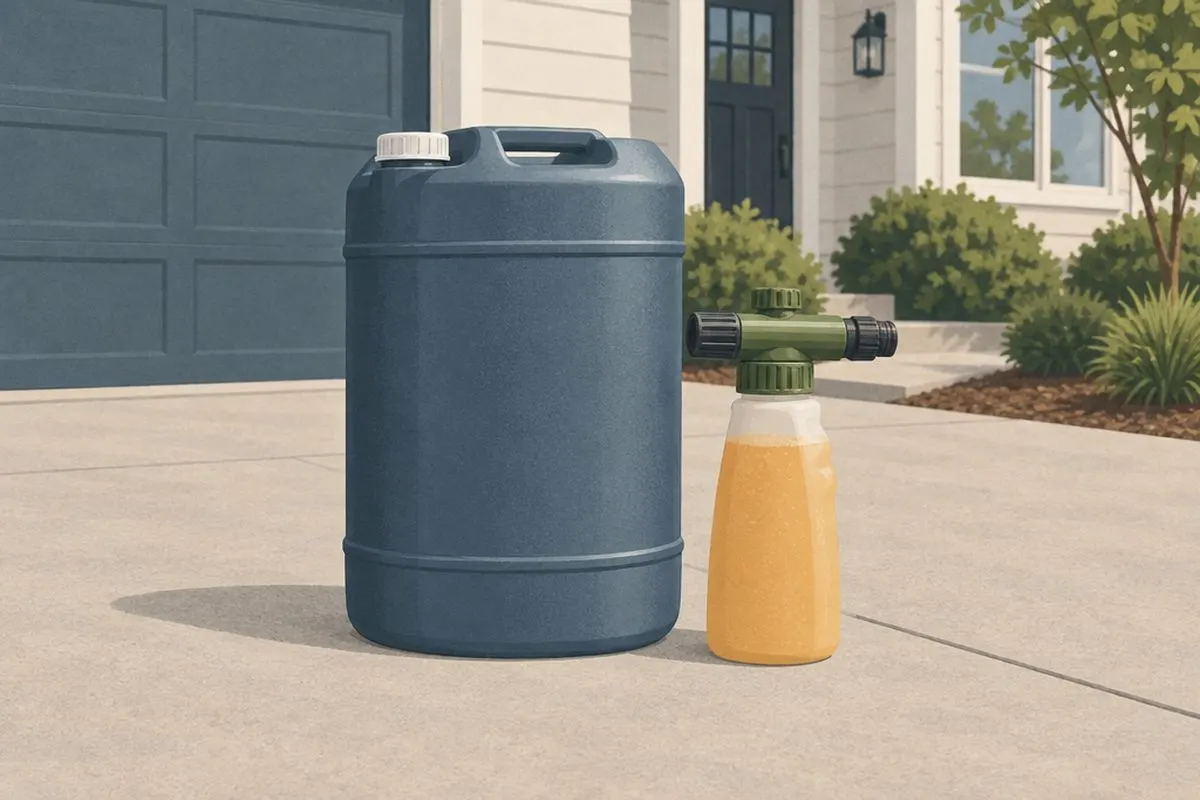
Thermo-Gel 200L
Another fire-department-grade gel concentrate. Slightly cheaper per litre than Barricade but the applicator is sold separately. Good choice if you already own a foam eductor.
Long-term retardant
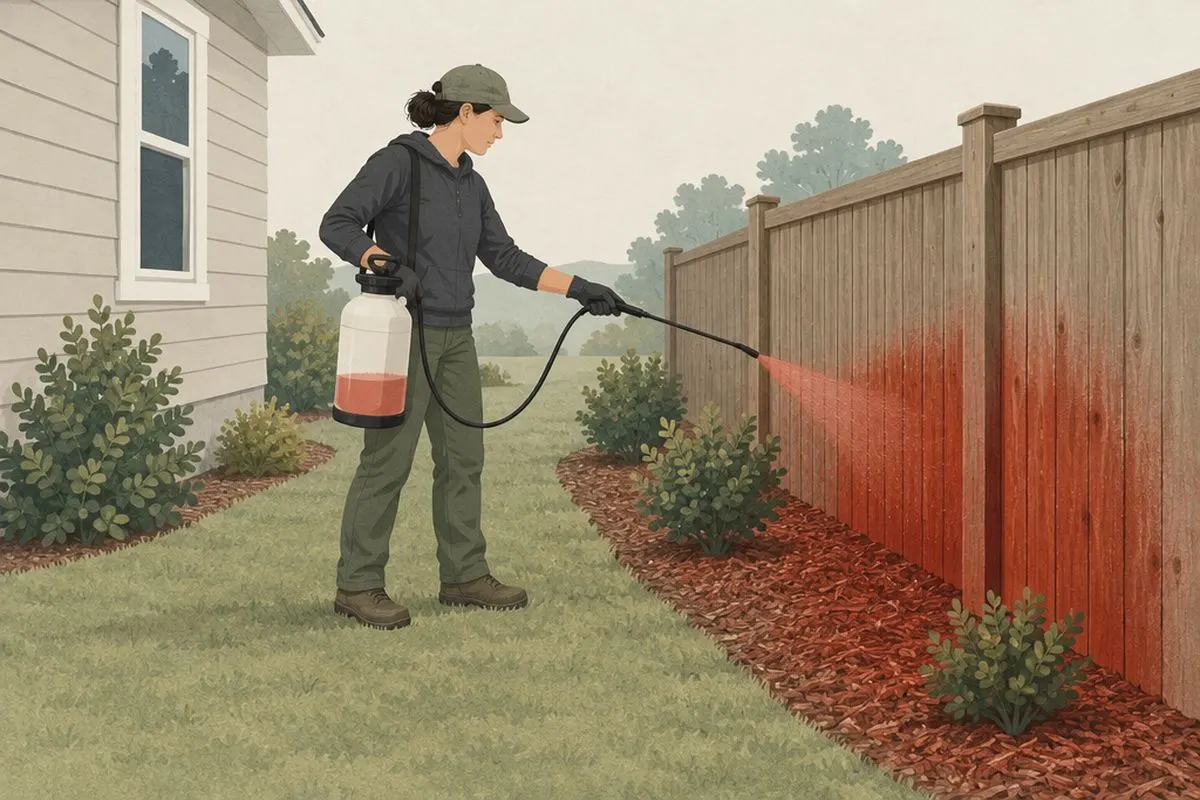
Phos-Chek Home Defense is the same ammonium phosphate chemistry as aerial retardant. Sprayed on fences, decks, mulch and siding in early fire season, it interrupts combustion until rain washes it off. It's the cheapest of the three and the only one that doesn't require you to be home when the fire comes.
Our recommendation
Buy in this order: retardant first (cheap, no timing pressure), then a gutter sprinkler kit, then a pump and water storage if you have the property for it, then gel as a final layer for the last hour. And harden the structure — vents, gutters, Zone 0 — before any of it.