
Electrical Fire Safety
Arc faults, old panels, and the extension cord under the rug.
Electrical distribution and lighting equipment causes a large share of home fires and a disproportionate share of the deadly ones, because they start inside walls and in spaces nobody is watching. The products that help are mostly code-driven rather than consumer-driven — arc-fault protection, proper panel work, surge protection — and the useful consumer behaviour is mostly about load, damage and age rather than gadgets.
Our picks
4 guides · price bands $ to $$$$
 Illustration
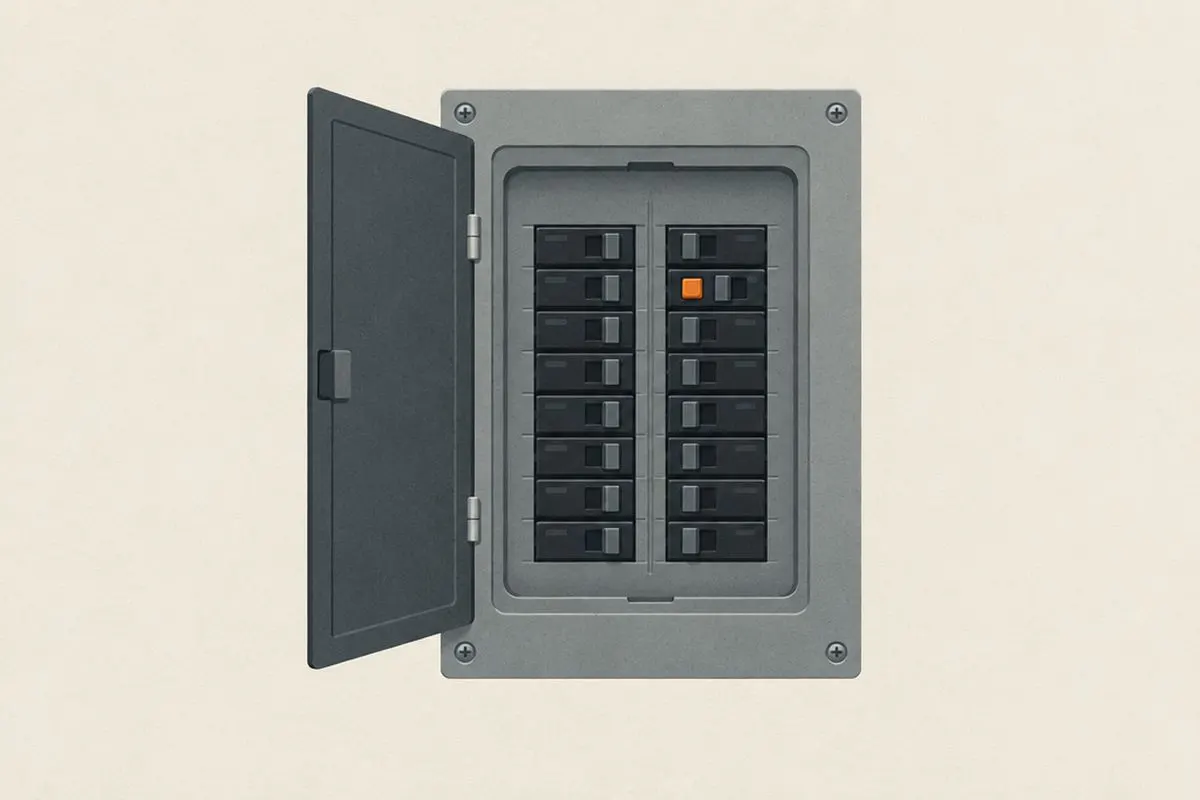
Arc-Fault Circuit Interrupter (AFCI) Breaker
A breaker that detects the electrical signature of arcing — a damaged cord, a loose terminal, a nail through a cable — and trips before it starts a fire. A standard breaker sees an arcing fault as normal current and does nothing.
 Illustration
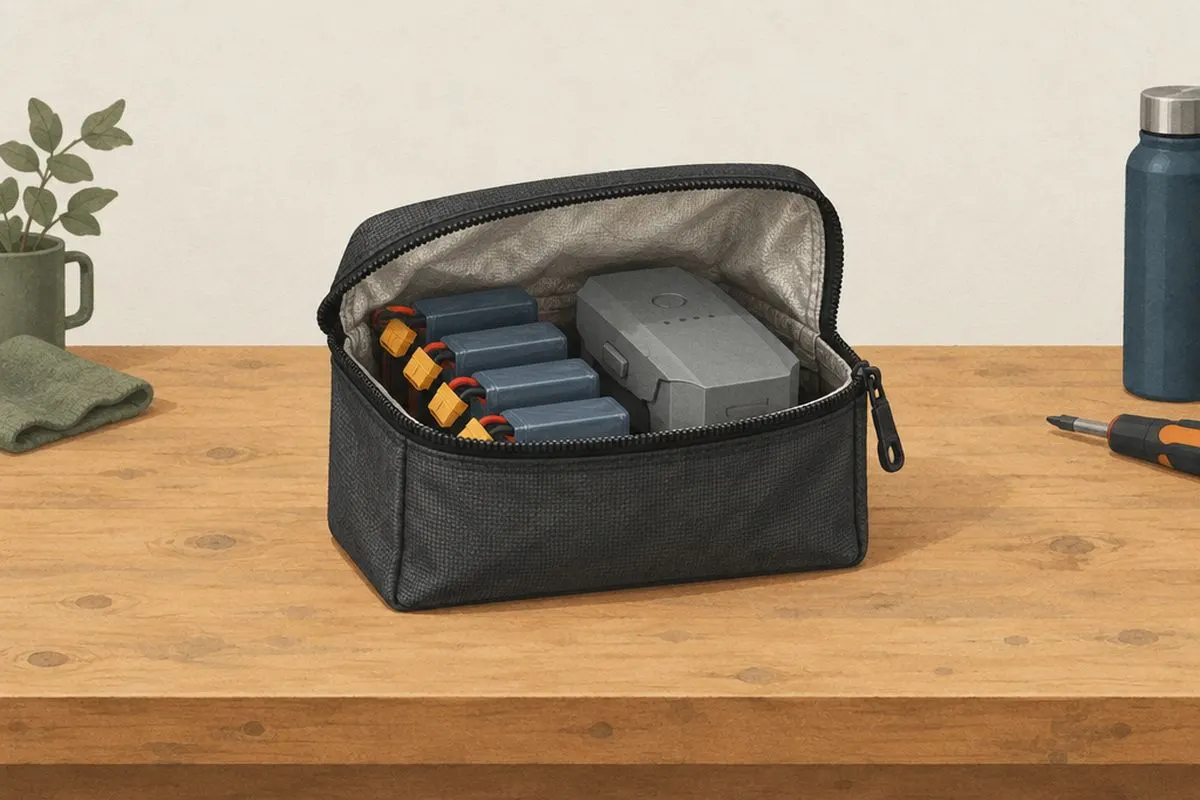
Lithium Battery Charging Bag
A fire-resistant pouch to charge or store lithium packs in. It will not stop a serious thermal runaway, but it contains sparks and small flare-ups and buys time — which, for a charging battery left unattended, is the thing you want.
Lithium-Ion and E-Bike Charging Safety at Home
E-bikes, scooters and power-tool batteries can produce intense, fast-spreading fires, especially when the battery or charger is uncertified or damaged. The main protection is buying certified products and charging them safely, not a special accessory.
Home Battery Storage (ESS) Fire Safety
Wall-mounted home batteries, often paired with solar for backup power, carry rules on where they go, how much capacity is allowed and what detection is needed, all to manage the risk of thermal runaway. The protection comes from a listed system installed by a licensed electrician or solar installer to code.
Before you buy
- Arc-fault circuit interrupters detect the kind of arcing that a standard breaker ignores, and are required for most living-space circuits in new construction in both countries. Retrofitting them into an older panel is a real and worthwhile upgrade.
- Extension cords are temporary by design. Running one under a rug or through a doorway damages the insulation and traps heat, and permanent use of one is a sign you need an outlet, not a longer cord.
- Old and recalled panels are worth identifying. If your house still has a panel type with a known failure history, an electrician's assessment is money well spent.
- Space heaters cause more fires than almost any other appliance, and the rule is the simple one: nothing combustible within a metre, plugged directly into a wall outlet, never into a power bar.
- Lithium battery fires — e-bikes, scooters, tool packs — are a fast-growing category. Charge them away from exits and sleeping areas, and stop using any pack that is swollen, damaged or has been in a crash.