The alarm is fine. The battery isn't.
Most smoke alarm failures are missing or dead batteries. A sealed ten-year unit or a hardwired, interconnected system takes the human step out.
What to buy and what the law says →
Killflare explains fire protection in plain language: which products and systems work, what your building code requires, what they cost to buy and to keep compliant, where they are actually sold, and which contractors install and service them.
Hero photo Matt Palmer / Unsplash
Alarms, extinguishers, sprinklers, and the everyday causes: cooking, heating, wiring and batteries.
Sprinkler, kitchen, clean agent and alarm systems, extinguishers, emergency lighting: what the code requires and how it is bought.
Ember-resistant vents, gutters, exterior sprinklers, retardant, water and defensible space, by zone and by province.
Most smoke alarm failures are missing or dead batteries. A sealed ten-year unit or a hardwired, interconnected system takes the human step out.
What to buy and what the law says →In NFPA's data, most sprinkler failures were systems that had been shut off before the fire. Inspection to NFPA 25 matters as much as the install.
Sprinkler contractors and inspection schedules →Vents, gutters and the first 1.5 metres around the house decide most outcomes. They are also the cheapest things to fix.
Why houses burn when the forest doesn't →12 types of fire protection contractor, what each one does, the licences to check and the inspections the code sets, with 217 companies verified across 24 provinces and states.
Find a contractorSix picks across home, business and wildfire. All products and systems →
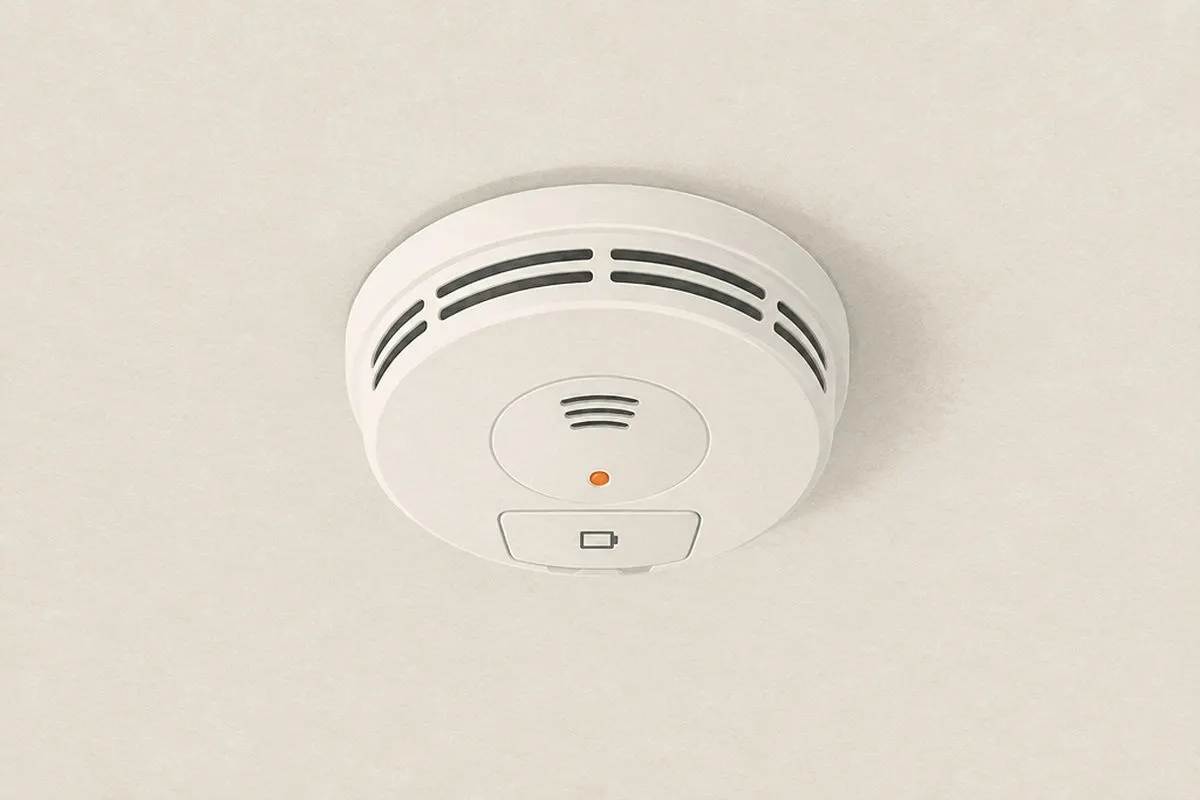 Illustration
A battery alarm with a lithium cell sealed inside for the unit's full ten-year life. You cannot remove the battery, which is precisely the point: a missing or dead battery is the reason most failed alarms failed.
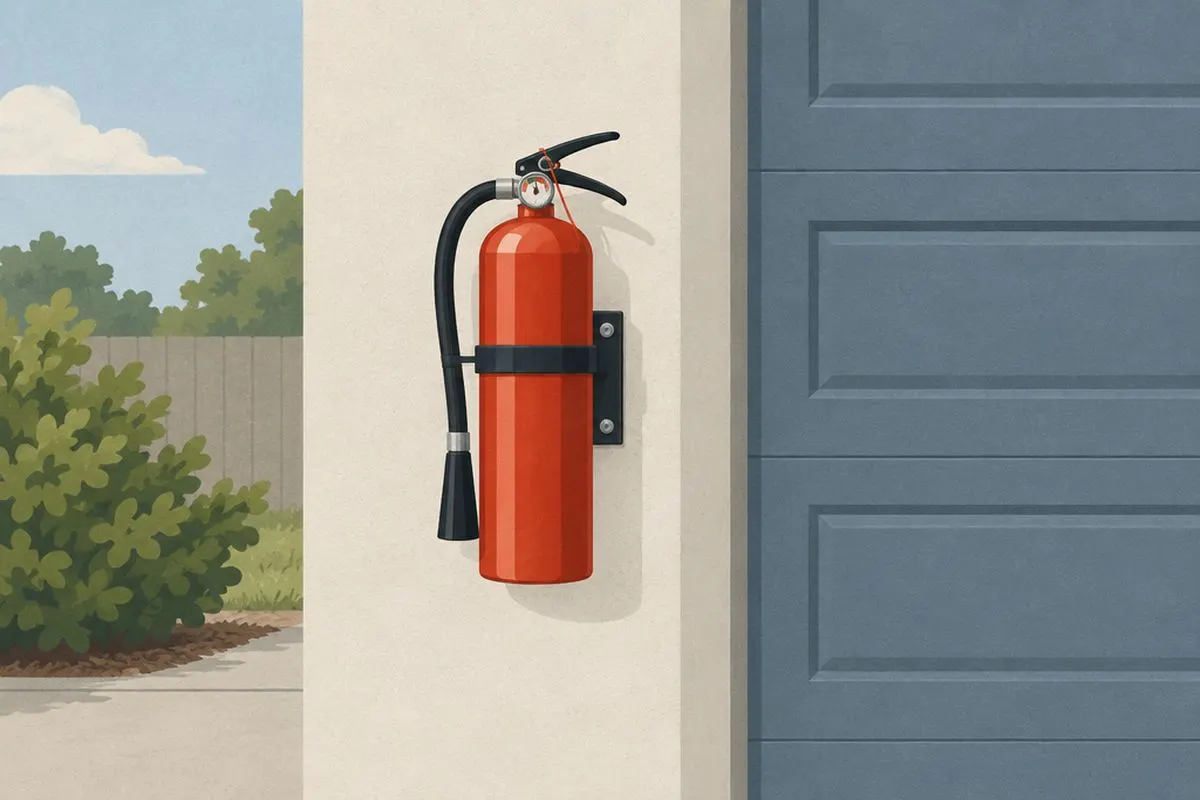 Illustration
A 10 lb ABC extinguisher gives you 20+ seconds of discharge, versus 8 seconds from a kitchen model. Mount one at the garage door and one by the deck. Choose rechargeable metal-valve units.
A pre-engineered system inside the exhaust hood sprays potassium-based wet chemical onto the appliances, plenum and duct when fire is detected, and shuts off the gas or power to the cooking line. It is required over most grease-producing commercial cooking.
A cellular or IP communicator sends alarm, supervisory and trouble signals from the fire panel to a listed monitoring centre, which calls the fire department. Phone companies retiring copper lines is the main issue in this category right now.
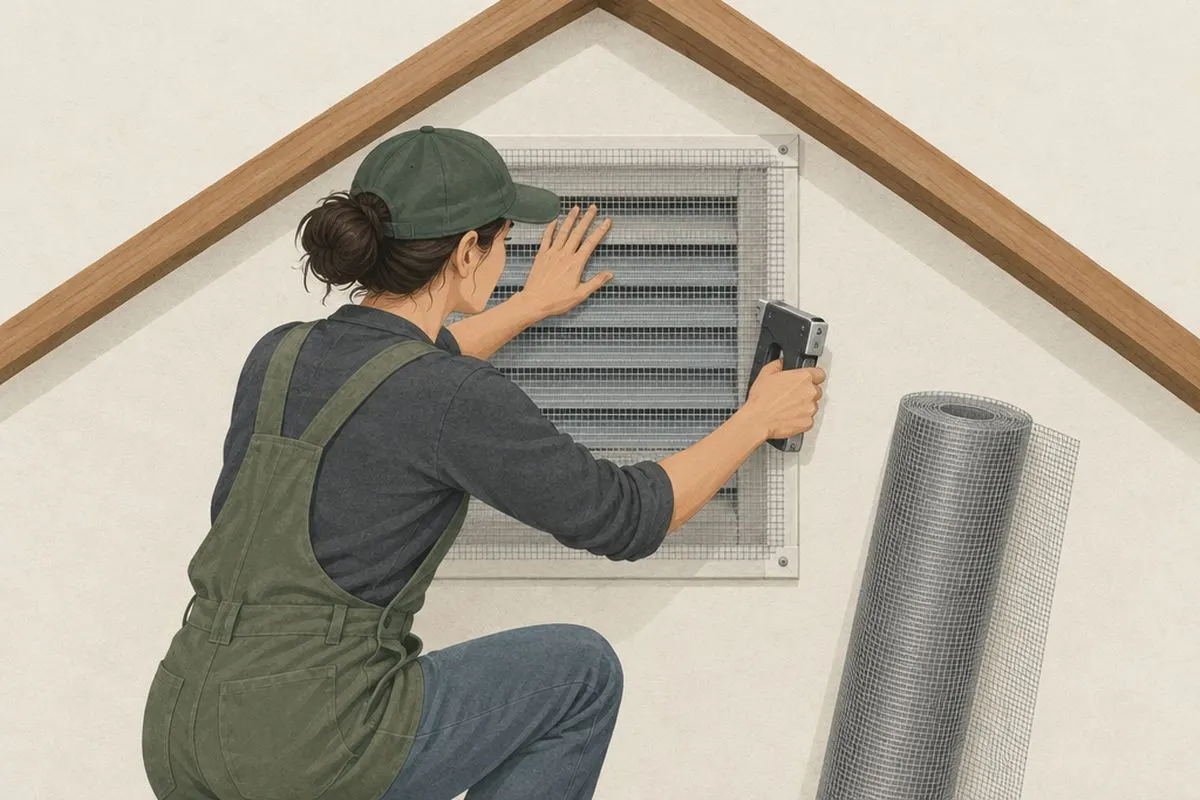 Illustration
A roll of 1/8 in (3 mm) stainless mesh stapled or screwed over existing vents is the recommended retrofit when replacement isn't practical. Also use it to close gaps under decks and at the base of siding.
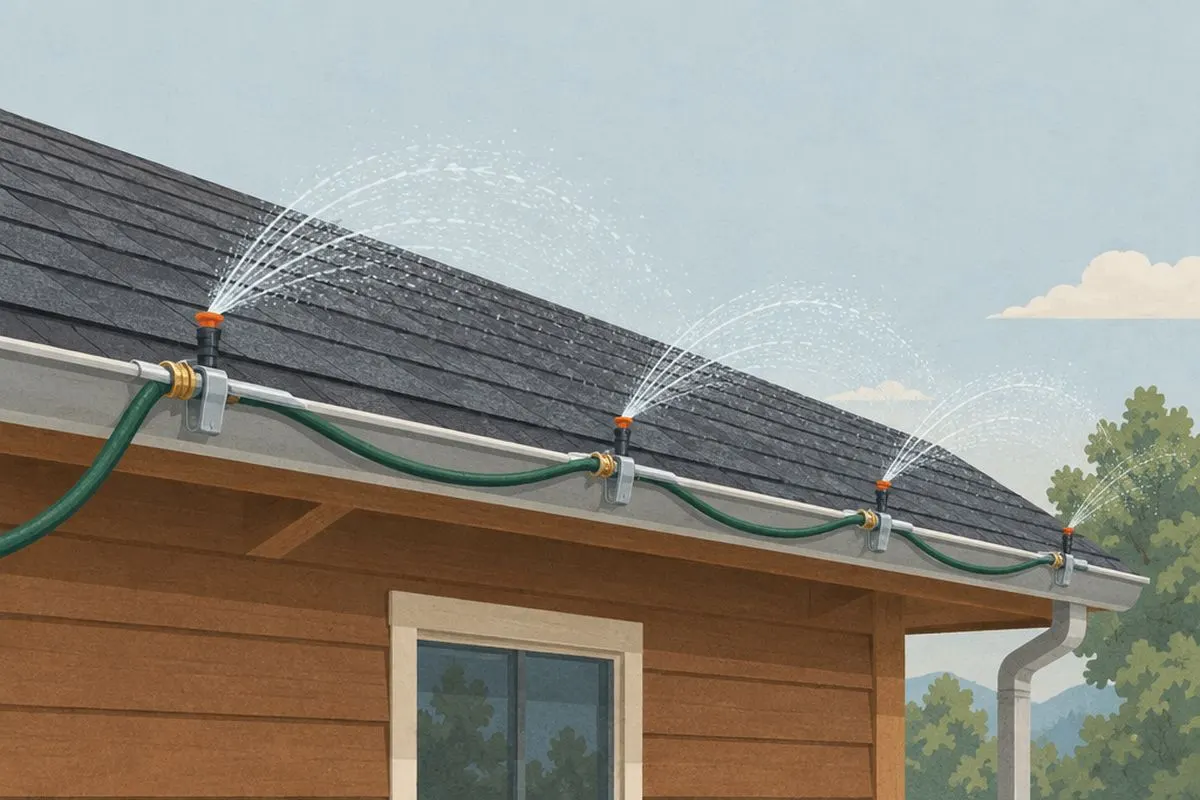 Illustration
Canadian-designed gutter-clip sprinkler heads that install in minutes without tools and run off a standard garden hose. The full kit covers a typical roofline and includes hoses and splitters.
Wildfire season? Our live map shows satellite hotspots across Canada and the US from the last 24 hours, and our regional guides cover fire season, fuel and provincial programs province by province.
The strongest evidence in home fire safety, the objections that don't survive contact with the data, the one that does — and why they do nothing about wildfire.
10 min readPast the end of the water main, the fire at your house is fought with whatever arrives on the truck plus whatever your property can supply. Here's how that actually works.
10 min readThe evidence on what actually works, and the placement and CO rules for Ontario, BC, Alberta, Quebec and the US — which differ more than you would expect.
9 min readReal 2024 costs for every component, the roughly $10,000 bundle that buys the most protection, and an honest admission that nobody has published a proper cost-effectiveness ranking.
10 min readWhat the codes require, what the best voluntary standard adds, and what the extra actually costs — which, if you are already building to code, is about two thousand dollars.
11 min readIn Canada and the US, yes — fire is a standard peril. The real problems are underinsurance, what counts as an evacuation, and in parts of the US, whether you can get a policy at all.