
Monitoring & Warnings
A local siren wakes the house. Nothing about it calls anyone.
A standalone smoke alarm makes noise in your hallway. That is its entire external capability. Monitoring adds a path out of the building — to a station that dispatches the fire department whether or not anyone is home to hear it. The argument for it is strongest exactly where it is least glamorous: an empty house, a rental, a second property, a sleeper who cannot self-evacuate. Be aware going in that we could find no study isolating an outcome benefit for residential fire monitoring specifically; the mechanical case is sound, the published evidence is thin, and much of what is written about it is written by people selling it.
Our picks
3 guides · price bands $ to $$$$
 Illustration
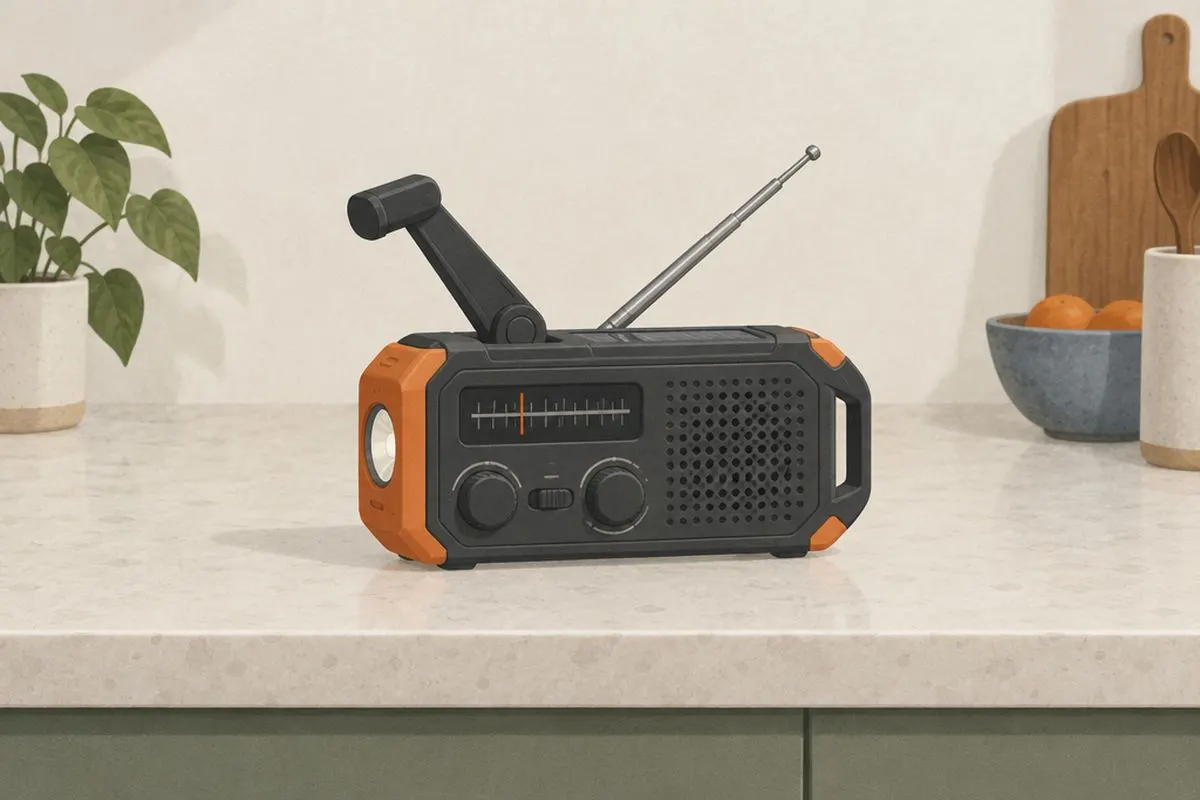
Emergency Weather Radio (NOAA / Weatheradio Canada)
A dedicated weather radio with SAME county/region alerting wakes you up for evacuation orders even when cell networks are congested. Weatheradio Canada broadcasts on the same frequencies.
 Illustration
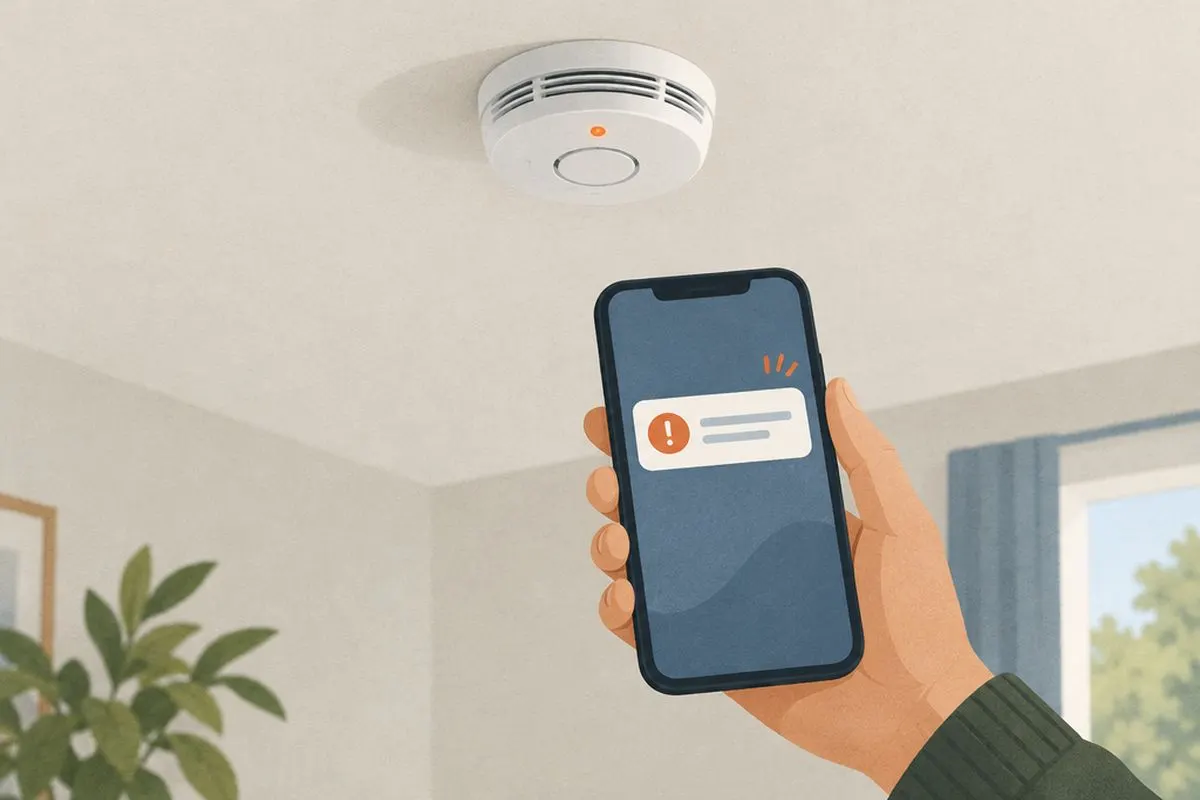
Smart Smoke & CO Alarm
A mains or battery alarm with Wi-Fi, sending a push notification to your phone as well as sounding locally. It tells you your house is on fire while you are at work, which a standard alarm cannot do.
 Illustration
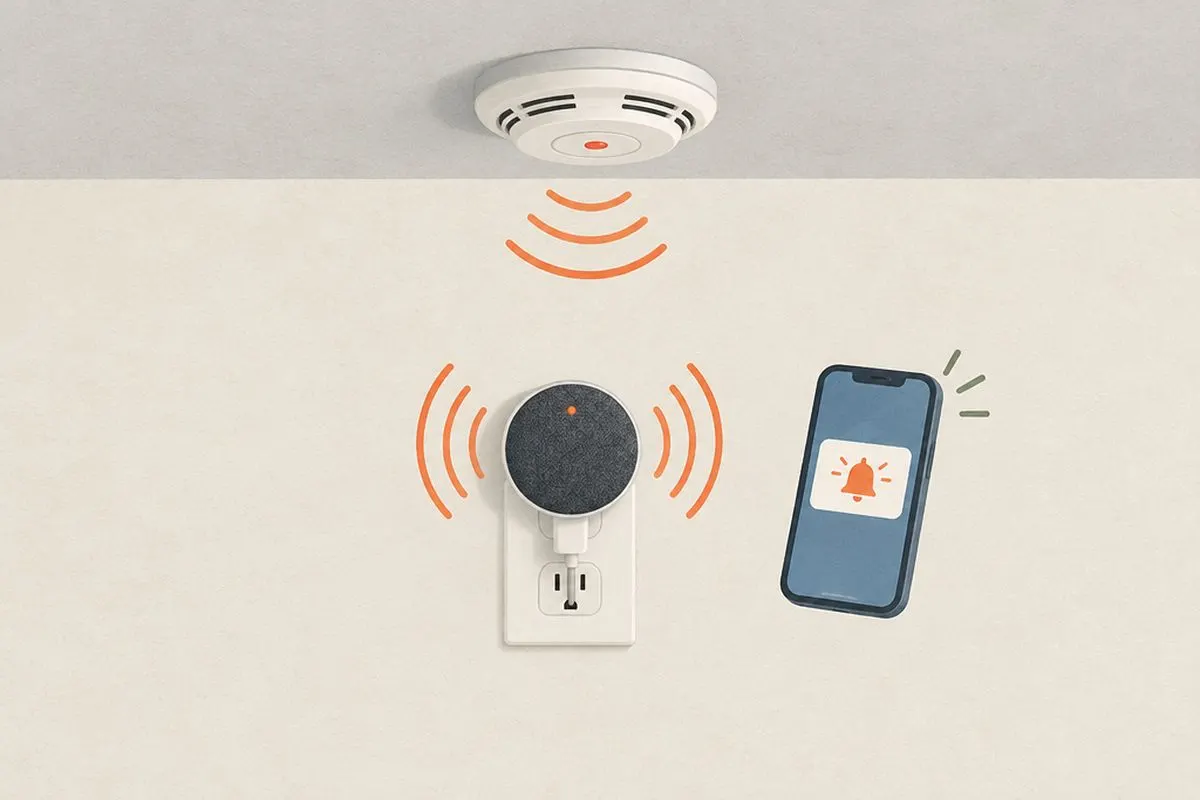
Smoke & CO Alarm Listener
A small device that sits beside an existing smoke or CO alarm and listens for its alarm pattern, then pushes an alert to your phone. It does not detect anything itself — it hears the alarm you already have.
Before you buy
- Ask whether the station verifies before dispatching. Residential security-panel monitoring commonly calls you first, which is dead time. A code-compliant fire service in Canada under CAN/ULC-S561 must pass the fire signal to the department within 30 seconds without verification.
- Insist on cellular backup. Wi-Fi-only monitoring dies with your router, your power, or the fire itself — which is the moment it was bought for. Several self-monitoring tiers quietly drop cellular entirely.
- Check the contract before the hardware. Canadian monitoring is markedly more expensive and more locked-in than American, with three and five-year terms and early termination fees still common.
- For an insurance discount in Canada the monitoring generally has to be ULC-certified. A cheap non-ULC contract may earn nothing at all, and no insurer we could find publishes an actual discount figure — you have to ask yours.
- Budget for false alarm fees. Many municipalities bill the homeowner for preventable responses, and NIST found that alarms built to the newest standard are still not clearly better at ignoring your cooking.
- For wildfire and severe-weather warnings, a weather radio with SAME alerting (NOAA Weather Radio in the US, Weatheradio Canada) keeps working when cell networks are congested.