
Heating, Woodstoves & Chimneys
Creosote, clearances, and the inspection nobody books.
Heating equipment is consistently among the leading causes of home fires, and in rural Canada the woodstove is usually the specific thing in question. Almost all of the risk is maintenance and clearance rather than equipment quality: an uninspected flue, a build-up of creosote, combustibles too close to a stove, or ash emptied into a plastic bin on a wooden deck. This is a category where the right purchase is often an appointment rather than a product.
Our picks
2 guides · price bands $ to $$$$
 Illustration
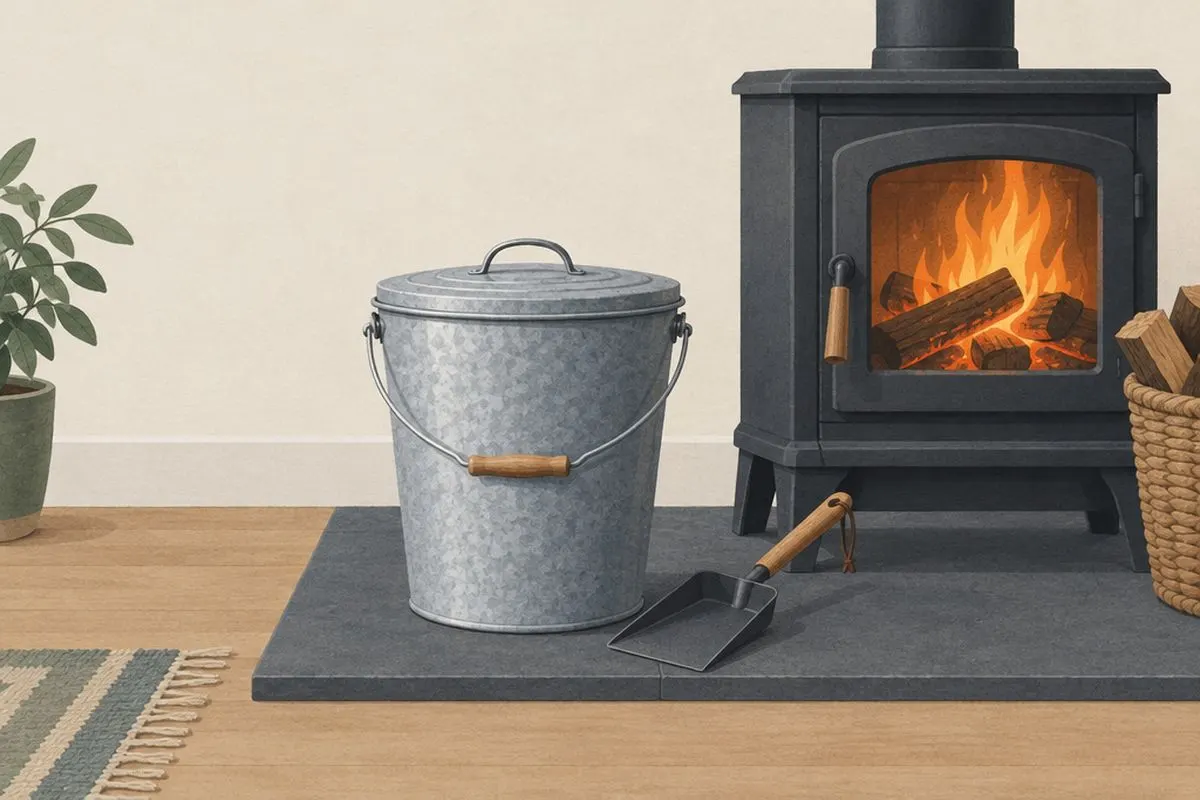
Metal Ash Can with Sealing Lid
A galvanised steel pail with a close-fitting lid for wood and pellet ash. Ash holds live embers for far longer than people expect, and emptying it into a plastic bin or a cardboard box is a recurring cause of house fires.
 Illustration
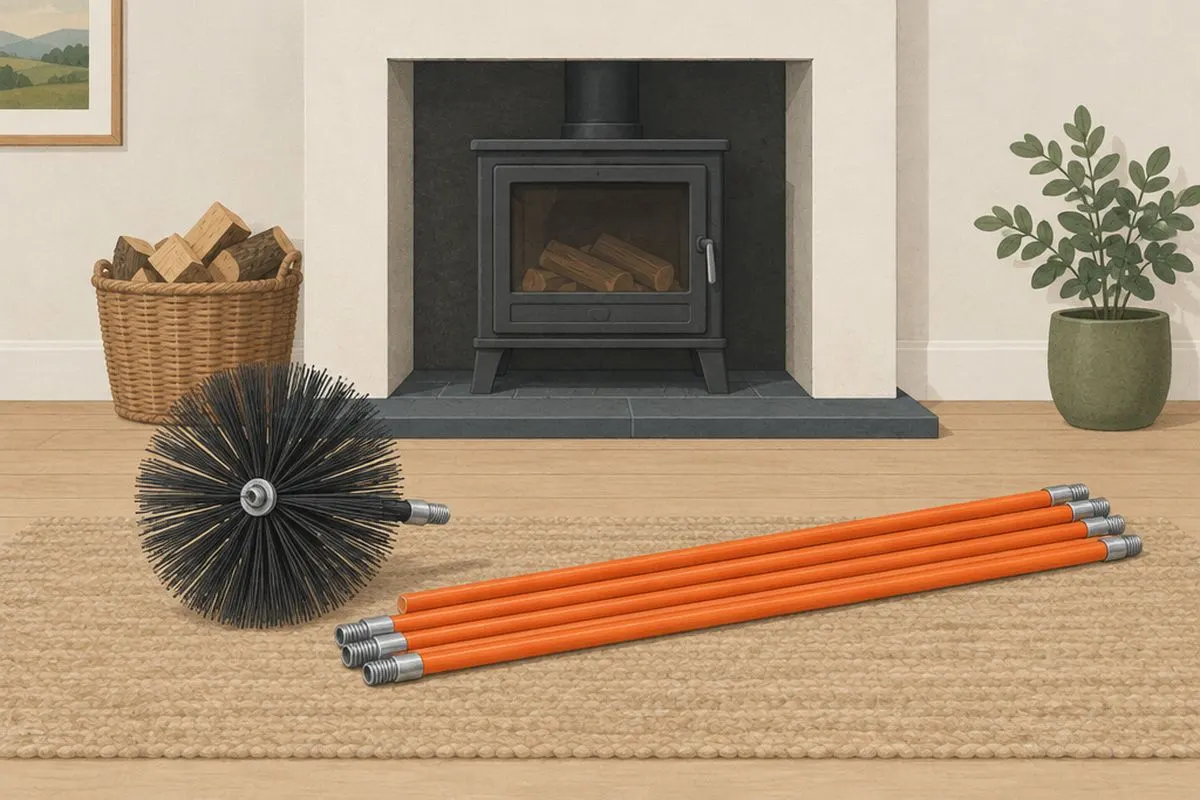
Chimney Brush & Rod Kit
A wire or poly brush on screw-together fibreglass rods for sweeping your own flue. Useful for keeping creosote down between professional visits — not a substitute for the annual inspection, which is looking for things a brush cannot tell you.
Before you buy
- Book an annual inspection and sweep for any solid-fuel appliance. It is the highest-value thing on this page and it is not something you can safely infer from how the fire looks.
- A metal ash can with a tight lid, kept outside and away from the structure, prevents a genuinely common fire. Ash holds live embers for days longer than people expect.
- Clearances to combustibles are set by the appliance listing, not by what looks reasonable. If your stove was installed by a previous owner, have the clearances checked.
- A chimney fire and a house fire are different events with the same ending. If you have had a chimney fire, the flue needs inspecting before the next fire is lit — the liner may be damaged.
- Carbon monoxide belongs in this category as much as fire does. Any fuel-burning appliance means a CO alarm is required in most Canadian jurisdictions, and Ontario extended that to every storey as of January 2026.