
Smoke & Carbon Monoxide Alarms
The cheapest thing in your house that has ever saved a life.
A working smoke alarm roughly halves the death rate per house fire, and the single most common reason one fails is that somebody took the battery out. That one fact should shape everything you buy here: pick the design that removes the human step. Hardwired and interconnected is best, a sealed ten-year lithium unit is the best retrofit, and a nine-volt you have to remember to change is the worst of the three. Alarms are also the one category with real law attached, and the law differs by province and state.
Our picks
5 guides · price bands $ to $$$$
 Illustration
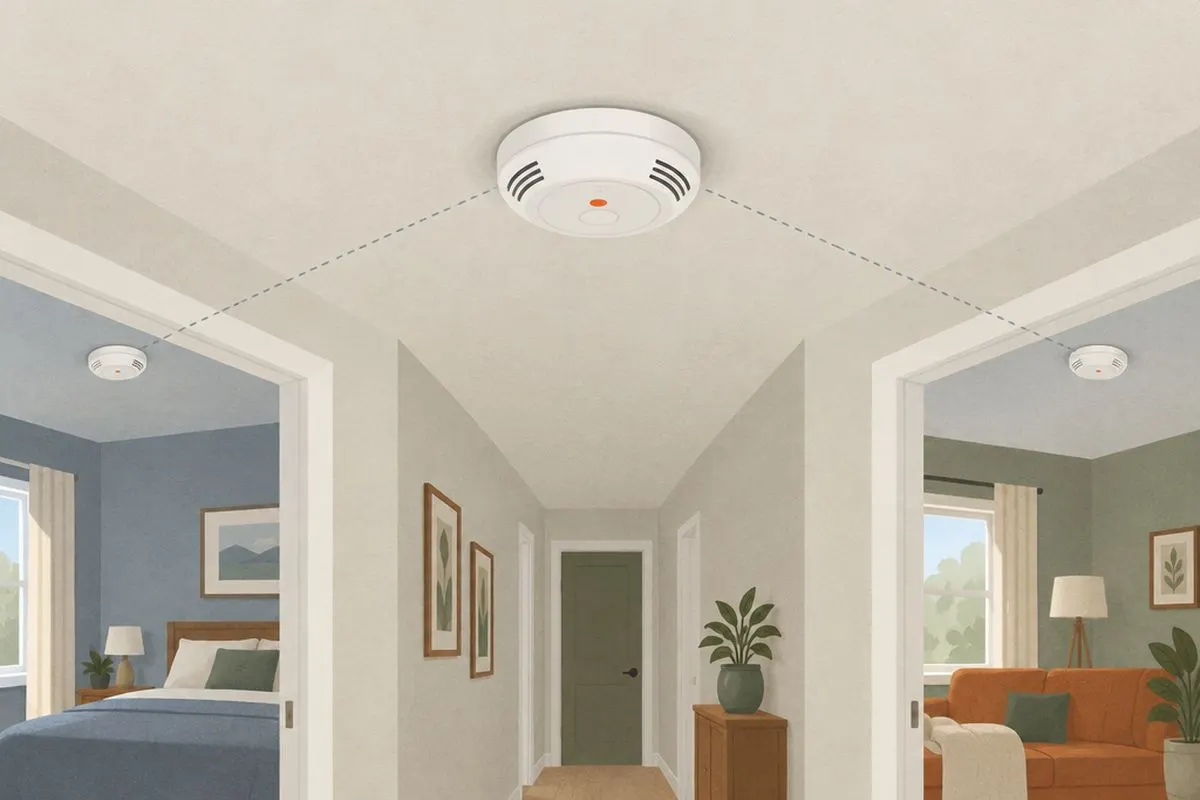
Hardwired Interconnected Smoke Alarm
Mains-powered with battery backup, wired so that any one alarm sets off every alarm in the house. This is what building codes require in new construction in both countries, and the configuration that performs best in real fires.
 Illustration
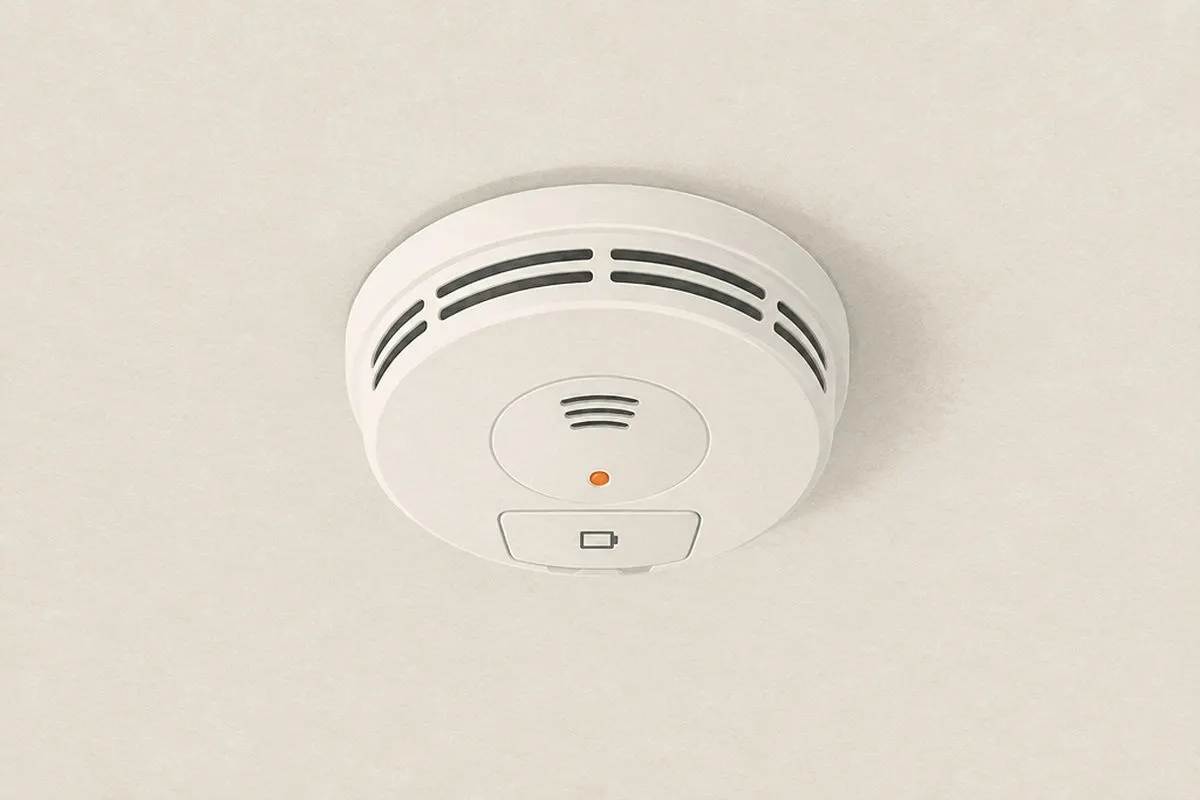
10-Year Sealed Battery Smoke Alarm
A battery alarm with a lithium cell sealed inside for the unit's full ten-year life. You cannot remove the battery, which is precisely the point: a missing or dead battery is the reason most failed alarms failed.
 Illustration
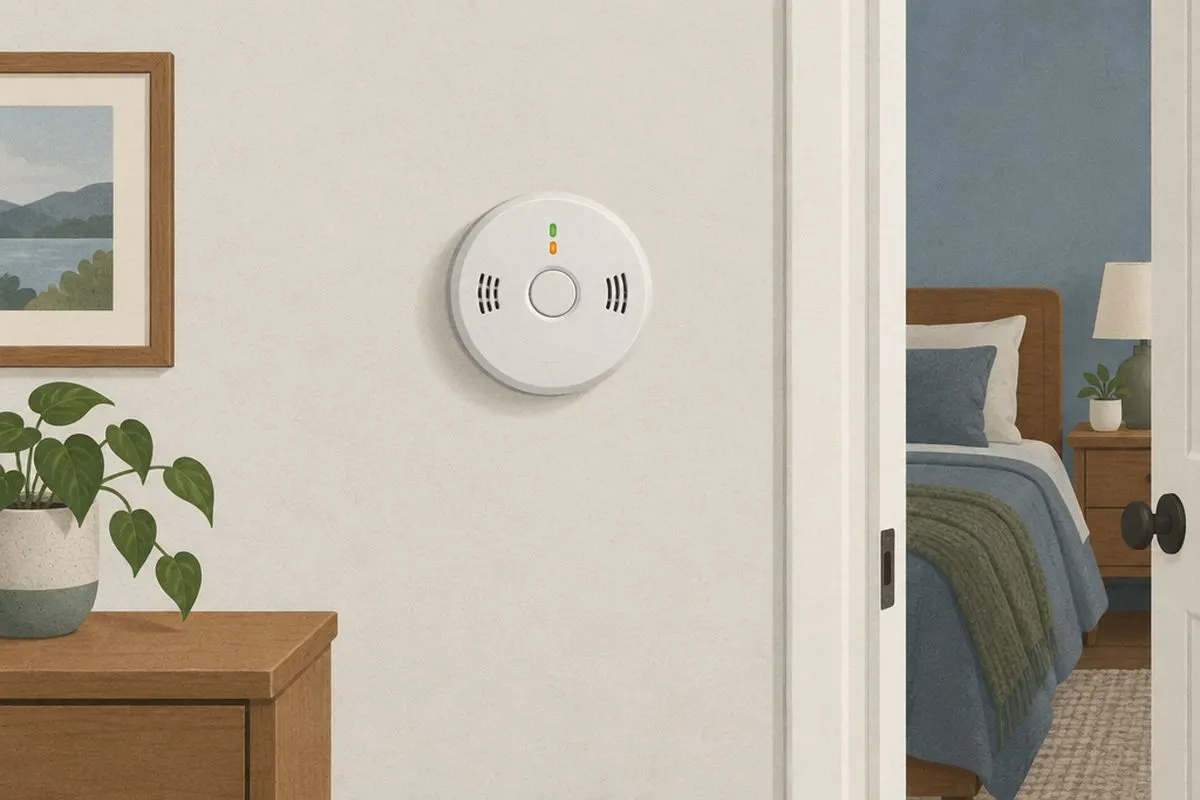
Combination Smoke & Carbon Monoxide Alarm
One unit detecting both smoke and carbon monoxide. Convenient and code-acceptable in most places, with a genuine drawback that almost nobody is told about: the CO sensor wears out years before the smoke sensor does.
Heat Alarms for Garages, Attics and Kitchens
A heat alarm sounds when the air around it reaches a fixed temperature, typically about 57 °C (135 °F), or on some models when it rises quickly. It belongs in garages, attics and next to kitchens where a smoke alarm would false-alarm, and it supplements smoke alarms rather than replacing them.
Wireless Interconnected Smoke and CO Alarms
Battery or hardwired alarms that link by radio, so when one sounds they all sound, without running new wire through finished walls. Interconnection is required in new homes, and this is how an existing house gets it.
Before you buy
- Replace the whole alarm ten years from its date of manufacture, not just the battery. Check the date printed on the back — most people have at least one unit that is older than they think.
- Carbon monoxide sensors wear out faster than smoke sensors, typically around seven years. That mismatch is the real drawback of a combination unit: its useful life is governed by whichever sensor expires first.
- Ionisation responds faster to flaming fires, photoelectric to smouldering ones. The current advice from USFA is to have both technologies or a dual-sensor alarm, but the better filter now is whether the unit meets the current UL 217 standard, which tests both fire types and cooking nuisance.
- Placement is code, not preference: one on every storey including the basement, one inside each bedroom, and one in the hallway serving them. Keep photoelectric units at least 6 ft from the stove and ionisation units at least 20 ft, or you will be taking the battery out by March.
- Smoke alarms belong on the ceiling; CO alarms are usually wall-mounted and 5 to 15 ft from fuel-burning appliances. A combination unit is a compromise on one of those two placements.