
Kitchen Fire Safety
Where most home fires start, and where most people do the wrong thing.
Cooking is the leading cause of home fires in both countries, and the most common serious injury comes from moving a burning pan or throwing water into hot oil. Almost everything useful in this category is cheap and low-tech: a lid, a blanket, an extinguisher rated for the right class, and knowing that the correct first move for a pan fire is to smother it and turn off the heat rather than to carry it anywhere.
Our picks
4 guides · price bands $ to $$$$
 Illustration
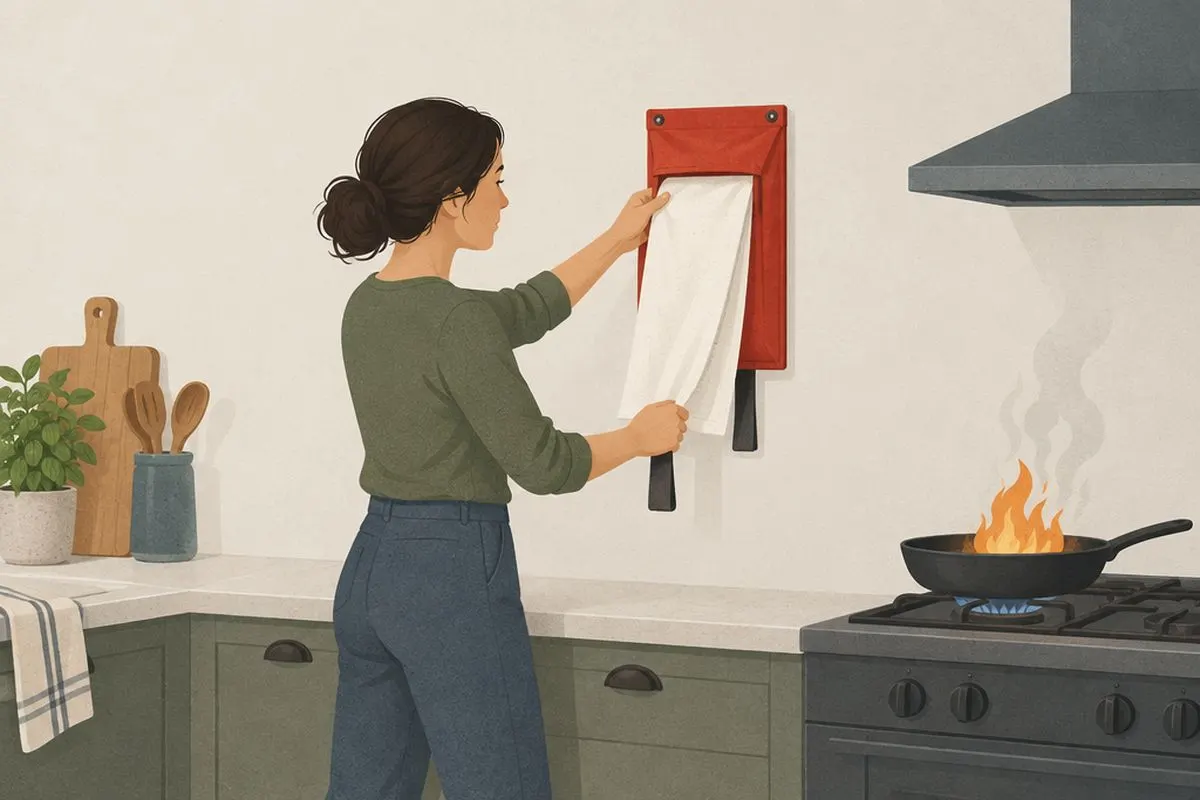
Kitchen Fire Blanket
A fibreglass or silica blanket that smothers a fire by cutting off oxygen. For a pan of burning oil it is better than any extinguisher: no scatter, no chemical residue, and nothing that can blast flaming oil across the room.
 Illustration
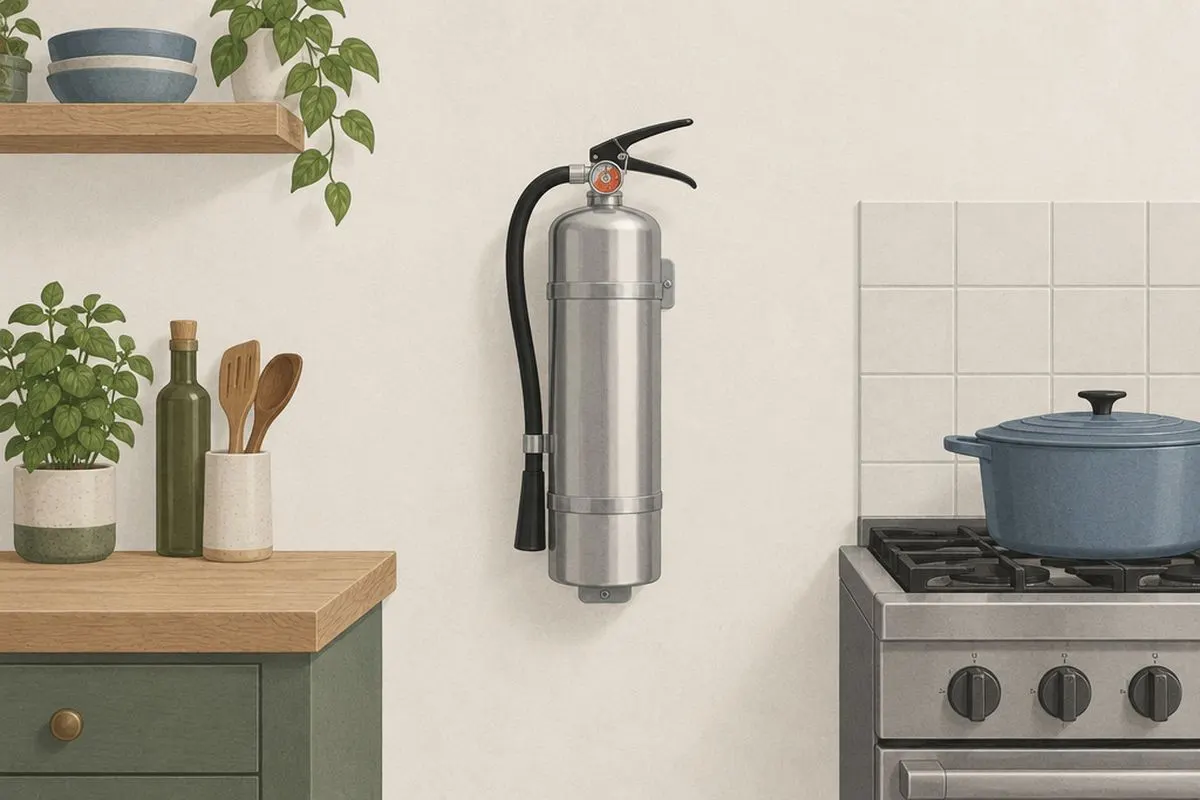
Wet Chemical Extinguisher (Class K / F)
A extinguisher charged with a potassium-salt solution that reacts with burning cooking oil to form a soapy crust, cooling it and sealing the surface. It is the class of extinguisher rated for deep fryers, and it does not scatter the fire the way dry chemical can.
 Illustration
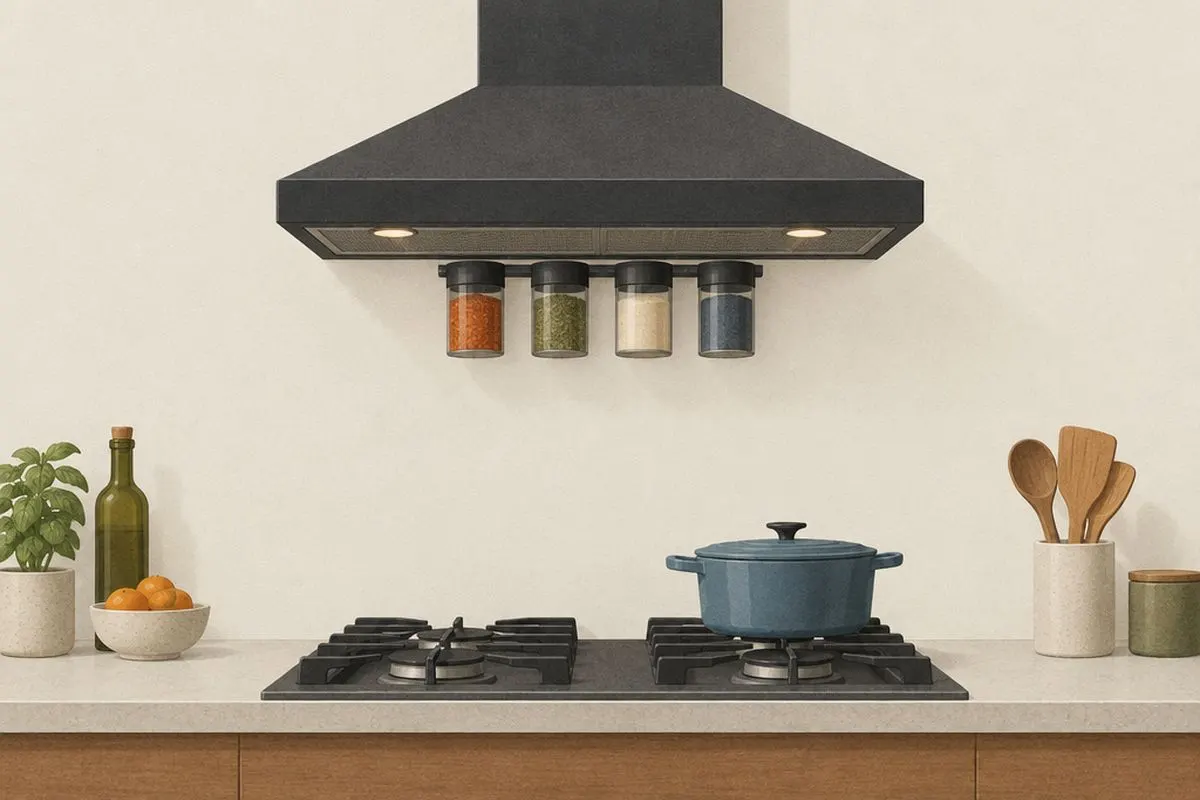
Automatic Stovetop Fire Suppressor
A canister mounted under the range hood above each burner. Flame reaching it burns a fuse and it discharges dry powder straight down onto the fire. No electricity, no person required.
Automatic Stove Shut-Off Devices
Controllers that cut power or gas to a stove when cooking is left unattended or when a smoke alarm sounds. They prevent fires rather than put them out, and suit seniors, people with dementia and rental units.
Before you buy
- A fire blanket beats an extinguisher for a pan fire — no mess, no scatter, and nothing that can blast burning oil across the kitchen. Keep one within reach of the stove but not above it.
- Water on burning oil produces a steam explosion that throws flame. This is the single most important thing in this category and it costs nothing to know.
- If you buy an extinguisher for the kitchen, understand the class. Standard ABC dry chemical works but coats everything; a wet chemical unit rated for cooking oils is what commercial kitchens use and is far better suited to a deep fryer.
- Keep the extinguisher by the exit, not next to the stove. You should never have to reach across a fire to get the thing that puts it out.
- A 2.5 lb kitchen extinguisher gives roughly nine seconds of discharge. That is less than it sounds — if it is not out almost immediately, leave.