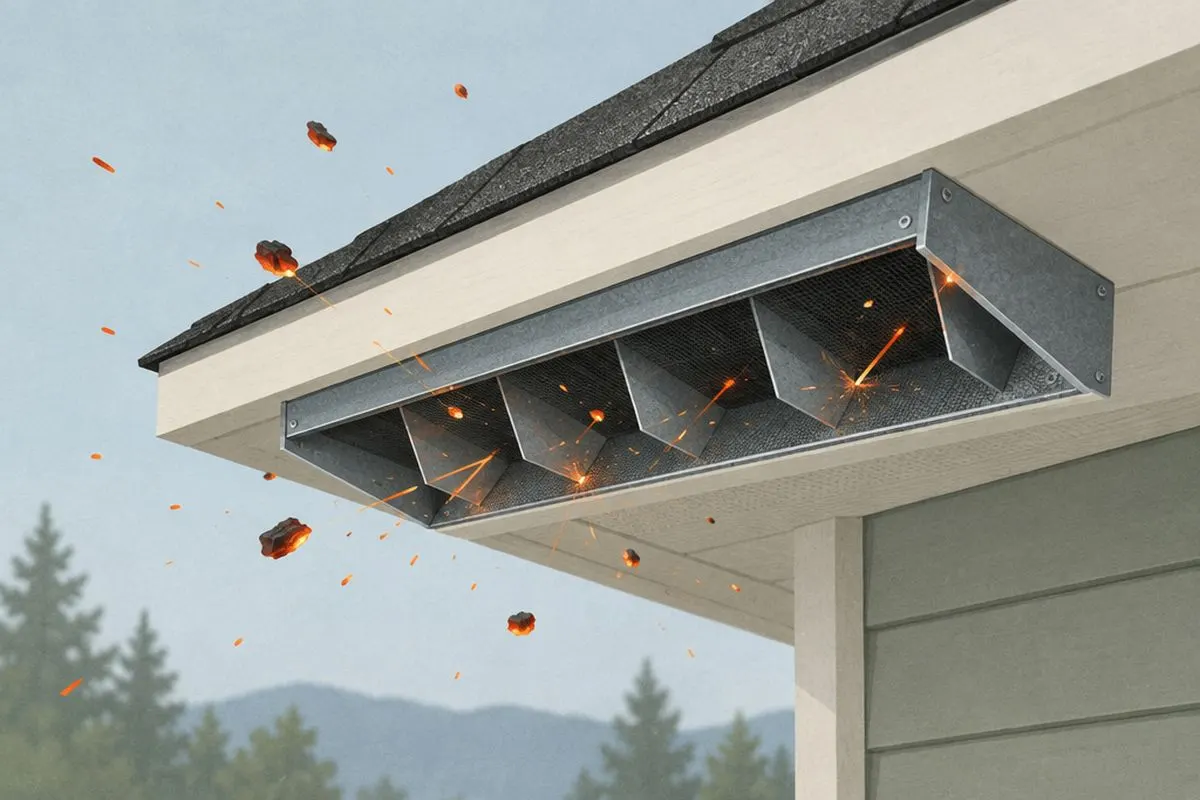
Reader-supported. Some links are affiliate links — see our disclosure. Evacuate when ordered; no product replaces leaving early.
Budget retrofit

1/8 in Stainless Steel Ember Mesh

Various United States & Canada $ · Sold by the roll

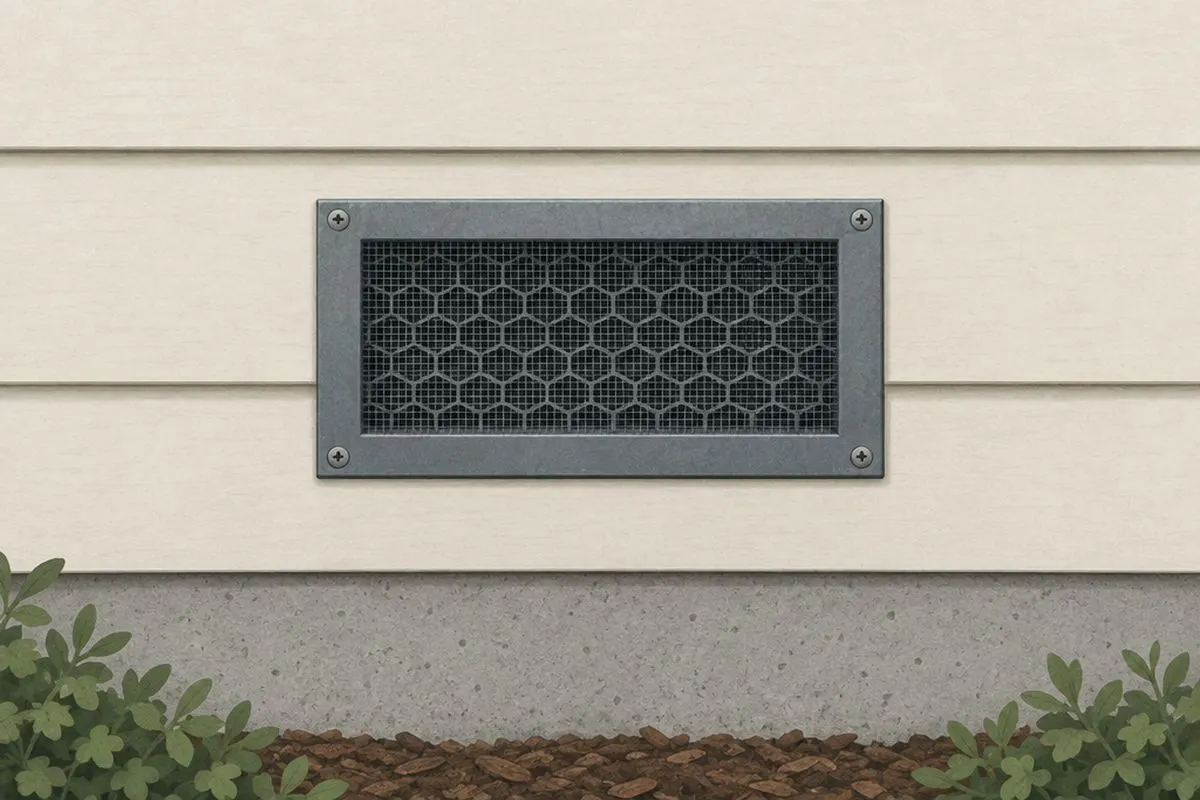
A roll of 1/8 in (3 mm) stainless mesh stapled or screwed over existing vents is the recommended retrofit when replacement isn't practical. Also use it to close gaps under decks and at the base of siding.

Why we like it

  • Cheapest effective ember defense
  • Covers decks, gaps and odd-size vents
  • Stainless won't rust or burn

Watch out for

  • Does not seal against flame contact
  • Reduces airflow somewhat
Best for

Renters, older homes, and under-deck screening.
Read the full market guide — costs, install effort and alternatives ↓
Market guide

The whole commitment, end to end

What this actually is, what the market looks like, what it really costs, and how much of your time it wants — before you spend anything.

Buying it Trivial
Installing it Easy
Living with it Trivial
Up front

CAD $40–$150 per roll. One or two rolls covers a typical house.

Lead time

Same day to a week

Time to install

A full afternoon to do a whole house properly

How it works

1/8 inch (3 mm) stainless steel woven mesh, cut and fastened over the inside or outside of existing vents, under-deck openings, crawlspace access and any other gap an ember could enter. The aperture is the entire specification: 3 mm is small enough to stop the vast majority of wind-carried embers and large enough not to choke ventilation or clog with dust.

What the market looks like

A commodity material sold by screen suppliers, hardware chains, industrial mesh distributors and Amazon, at CAD $40–$150 per roll. The only questions are aperture and alloy. Aluminium mesh is cheaper and melts. Fibreglass insect screen is useless — it burns. 1/4 inch hardware cloth passes embers. Get 1/8 inch stainless, usually type 304 or 316, and ignore everything else on the shelf.

Features that actually matter

1/8 in aperture
The figure recommended by FireSmart Canada, NFPA and California Chapter 7A. Not 1/4 in, which passes embers, and not window screen, which clogs.
Stainless steel
Will not melt under flame contact and will not corrode out in five years the way galvanised does in coastal or road-salt conditions.
Cuts with snips
No special tooling. Fastens with staples, screws and washers, or a wooden batten.
Universal application
Vents, under-deck skirting, crawlspace openings, the gap under a shed, the space behind lattice.

What it really costs

Up front
CAD $40–$150 per roll. One or two rolls covers a typical house.
Consumables
None.
What else you'll need
Stainless staples or screws and fender washers, CAD $20–$40. Use stainless fasteners — galvanised staples into stainless mesh corrode fast.
Over five years
Nil.

Figures are typical street prices in Canadian and US dollars as of September 2026, gathered from public retail listings. They move with the season and with the exchange rate — treat them as a planning band, not a quote.

How it differs from the alternatives

Versus listed ember-resistant vents
A tenth the price and it addresses the dominant threat, which is wind-blown embers. It does not address direct flame impingement on the vent, and it does not seal. The sensible sequence for a tight budget is: mesh everything now, upgrade the most exposed vents to listed units later.
Versus aluminium or fibreglass screen
Aluminium melts around 660 °C, which a burning vent easily exceeds. Fibreglass insect screen burns. Neither is a fire product regardless of what the packaging implies.
The clogging myth
1/8 in stainless does not meaningfully restrict attic ventilation on a normal house. It will collect lint at a dryer vent, so check that one annually.
Do not forget
The openings people miss: under the deck, behind lattice skirting, the crawlspace hatch, the gap where the gas line enters, and the roof-to-wall junction on a split-level.
01

Buying it

Effort Trivial

Where: Hardware stores, industrial screen and mesh suppliers, Amazon in both countries, farm supply.

Lead time: Same day to a week

Confirm the aperture in the listing, not the marketing name. 'Fine mesh' means nothing; 1/8 in or 3 mm means something.

02

Installing it

Effort Easy

Time: A full afternoon to do a whole house properly

You'll need: Tin snips · Gloves — cut mesh edges are vicious · Staple gun with stainless staples or drill and screws · Tape measure · Ladder

Fasten it on the inside of the vent where you can, so the exterior look is unchanged and the mesh is protected. Overlap generously and fasten every 100–150 mm — an edge that lifts is a hole. Wear gloves; this material draws blood.

03

Living with it

Effort Trivial

Annual walk-around looking for lifted edges, corrosion at fasteners and lint at the dryer vent.

If not this, then what

  • Vulcan or Brandguard ventsThe proper upgrade when budget allows. Do the mesh anyway on everything that is not a vent.
  • NothingThe most common choice and the reason attics burn.
Our verdict

The cheapest genuinely effective thing you can buy for a house. If you read one product page on this site and act on it, make it this one — CAD $60 and an afternoon closes the openings that lose houses.

We don't take payment for placement and we don't sell these products. If you think we've got something wrong here, tell us — we'll correct it.