Independent and reader-supported. Some links are affiliate links — see our disclosure. Codes vary by province, state and city: confirm with your local fire authority.
Best retrofit, by a distance

10-Year Sealed Battery Smoke Alarm

Kidde / First Alert Canada & United States $ · No battery to buy for a decade

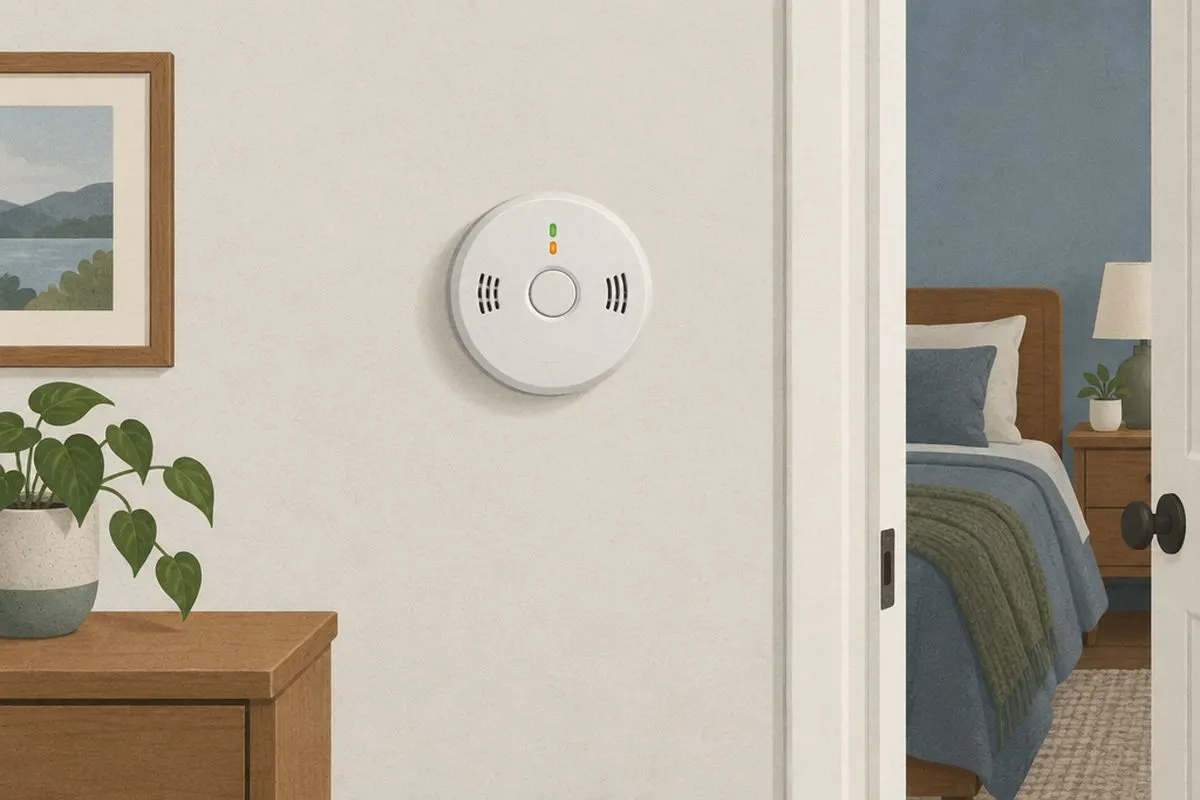
A battery alarm with a lithium cell sealed inside for the unit's full ten-year life. You cannot remove the battery, which is precisely the point: a missing or dead battery is the reason most failed alarms failed.

Why we like it

  • Removes the single most common cause of alarm failure
  • No ladder trips for battery changes, and no 3 a.m. low-battery chirp
  • Mandatory for battery alarms sold in several US states, which tells you what regulators concluded

Watch out for

  • Not interconnected unless you buy a wireless-interconnect model
  • Whole unit is landfill at ten years, battery included
Best for

Any existing house without alarm wiring — which is most of them.
Read the full market guide — costs, install effort and alternatives ↓
Market guide

The whole commitment, end to end

What this actually is, what the market looks like, what it really costs, and how much of your time it wants — before you spend anything.

Buying it Trivial
Installing it Trivial
Living with it Trivial
Up front

CAD $25-$60 per unit; CAD $45-$90 for wireless-interconnect versions.

Lead time

Same day

Time to install

10 minutes per alarm

How it works

Identical detection hardware to any other alarm, with a sealed lithium cell sized to last the ten-year service life of the unit. At end of life it chirps a distinct end-of-life signal and the whole thing is replaced. There is no battery door, so the alarm cannot be silenced by removing the power source — only by the hush button.

What the market looks like

Kidde and First Alert again dominate, with sealed versions of most of their line at CAD $25-$60. Several US states — California, Florida, Maryland, New Jersey and New York among them — now require that battery-only alarms sold there have sealed ten-year batteries, which has pushed the category from premium option to default. In Canada there is no provincial equivalent, but Montreal's agglomeration and Laval require non-removable ten-year lithium batteries in pre-1985 buildings that lack mains-powered alarms, which catches a great many Quebec homes.

Features that actually matter

Sealed lithium cell
Not removable and not replaceable. This is a design constraint doing safety work, not a limitation.
End-of-life signal
A distinct chirp pattern at ten years telling you to replace the unit, which is far more useful than hoping you remember the install date.
Hush button
Silences a nuisance alarm temporarily. The existence of a hush button is what makes a sealed battery tolerable next to a kitchen.
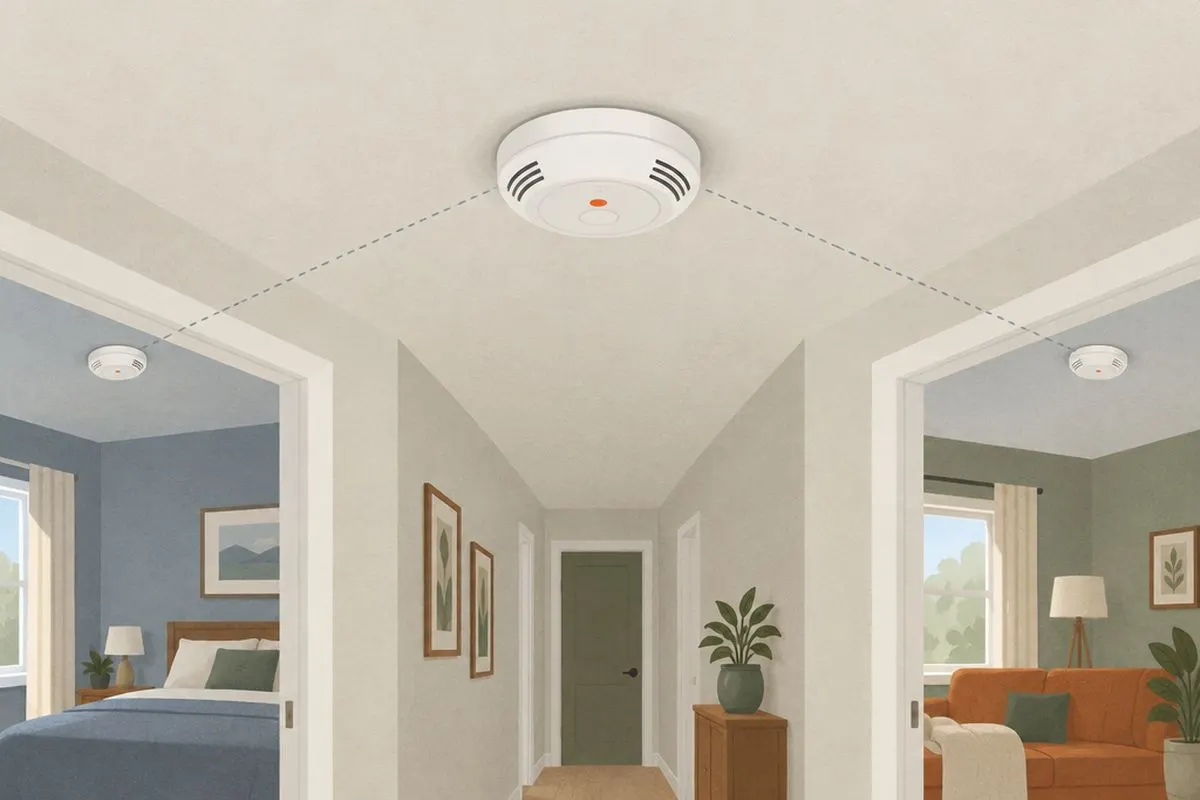
Optional wireless interconnect
Some sealed models link by radio so one alarm sounds them all. Costs more and is worth it in a house where a basement fire would otherwise go unheard upstairs.

What it really costs

Up front
CAD $25-$60 per unit; CAD $45-$90 for wireless-interconnect versions.
Consumables
None. That is the product.
What else you'll need
Nothing.
Over five years
Nil — you are halfway through the unit's life.

Figures are typical street prices in Canadian and US dollars as of September 2026, gathered from public retail listings. They move with the season and with the exchange rate — treat them as a planning band, not a quote.

How it differs from the alternatives

Versus a 9 V alarm
Same detection, radically better real-world reliability, and no annual chore. Given that 56% of battery-only alarm failures were missing or disconnected batteries, this design change addresses most of the problem.
Versus hardwired
Less reliable on paper and not interconnected by default, but installable by anyone in ten minutes at no labour cost. For a finished house the practical comparison usually favours sealed.
The disposal caveat
A sealed unit is thrown away whole, lithium and all. Check whether your municipality takes them at a battery or electronics depot rather than in household waste.
01

Buying it

Effort Trivial

Where: Hardware and big-box stores, pharmacies, Amazon in both countries.

Lead time: Same day

Check the date of manufacture on the back before you buy. Alarms sit in warehouses, and a unit made two years ago has eight years left, not ten.

02

Installing it

Effort Trivial

Time: 10 minutes per alarm

You'll need: Drill · Screwdriver · Ladder

Ceiling-mounted, at least 6 ft from a photoelectric unit's nearest cooking appliance and 20 ft for ionisation. Not within 3 ft of a bathroom door. Write the install date on the unit with a marker — the manufacture date is what counts, but the install date tells you how long it has been up there.

03

Living with it

Effort Trivial

Press the test button monthly. Vacuum twice a year. Replace the unit when it signals end of life or at ten years from manufacture, whichever comes first.

If not this, then what

  • Hardwired interconnected alarmsBetter if the wiring exists. Not worth opening walls for.
  • Replaceable-battery alarmsCheaper by a few dollars and measurably worse. No longer legal to sell as battery-only units in several US states.
Our verdict

For an existing house this is the highest-value fire safety purchase available, and it costs about the same as lunch. Buy one for every storey and every bedroom, check the manufacture date, and put a note in your calendar for nine years from now.

We don't take payment for placement and we don't sell these products. If you think we've got something wrong here, tell us — we'll correct it.