Independent and reader-supported. Some links are affiliate links — see our disclosure. Codes vary by province, state and city: confirm with your local fire authority.
The practical way to make an older home's alarms talk to each other

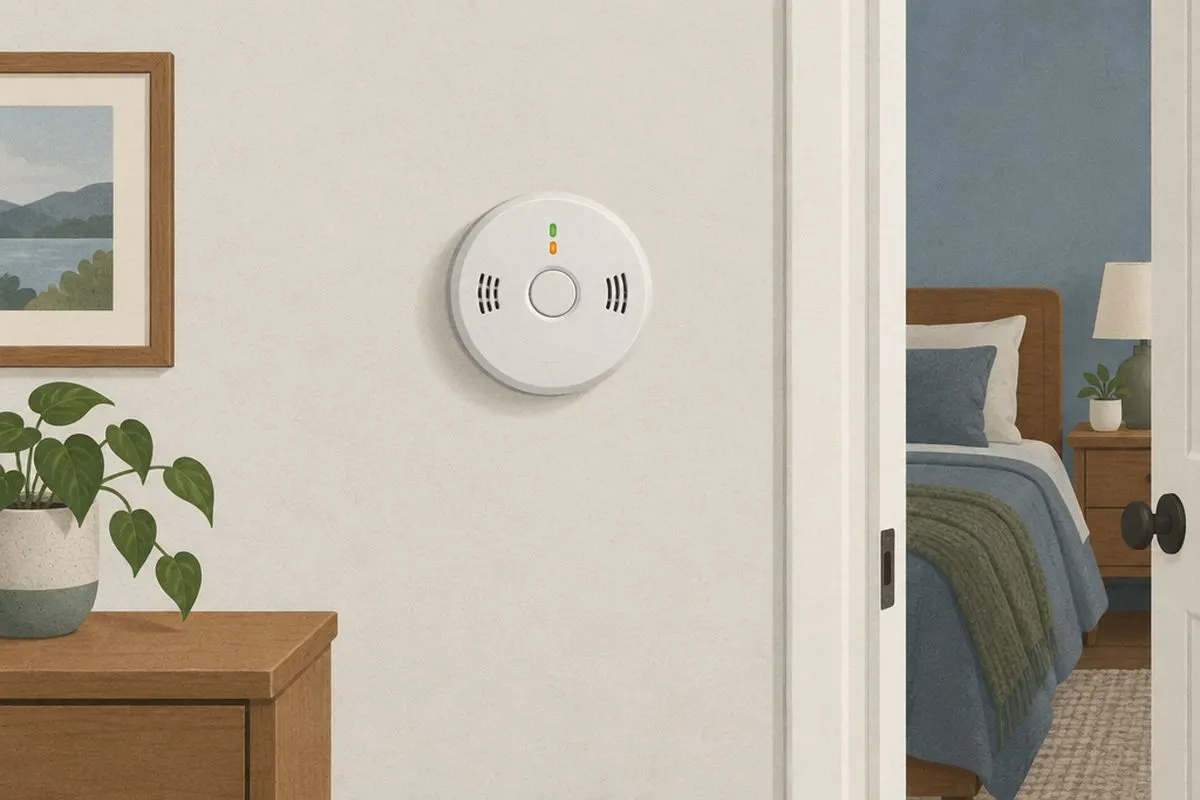
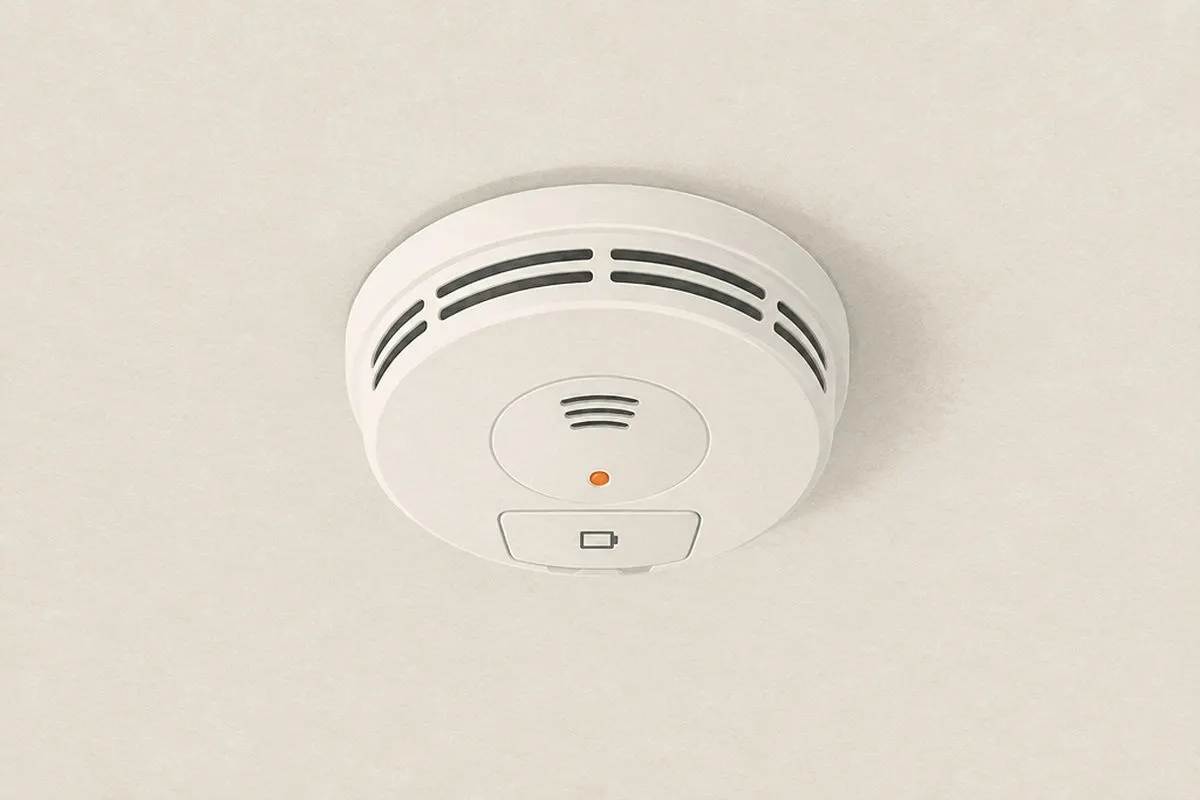
Wireless Interconnected Smoke and CO Alarms

Kidde · First Alert · X-Sense Canada & United States $ · One X-Sense model listed at USD $18.99; other prices vary

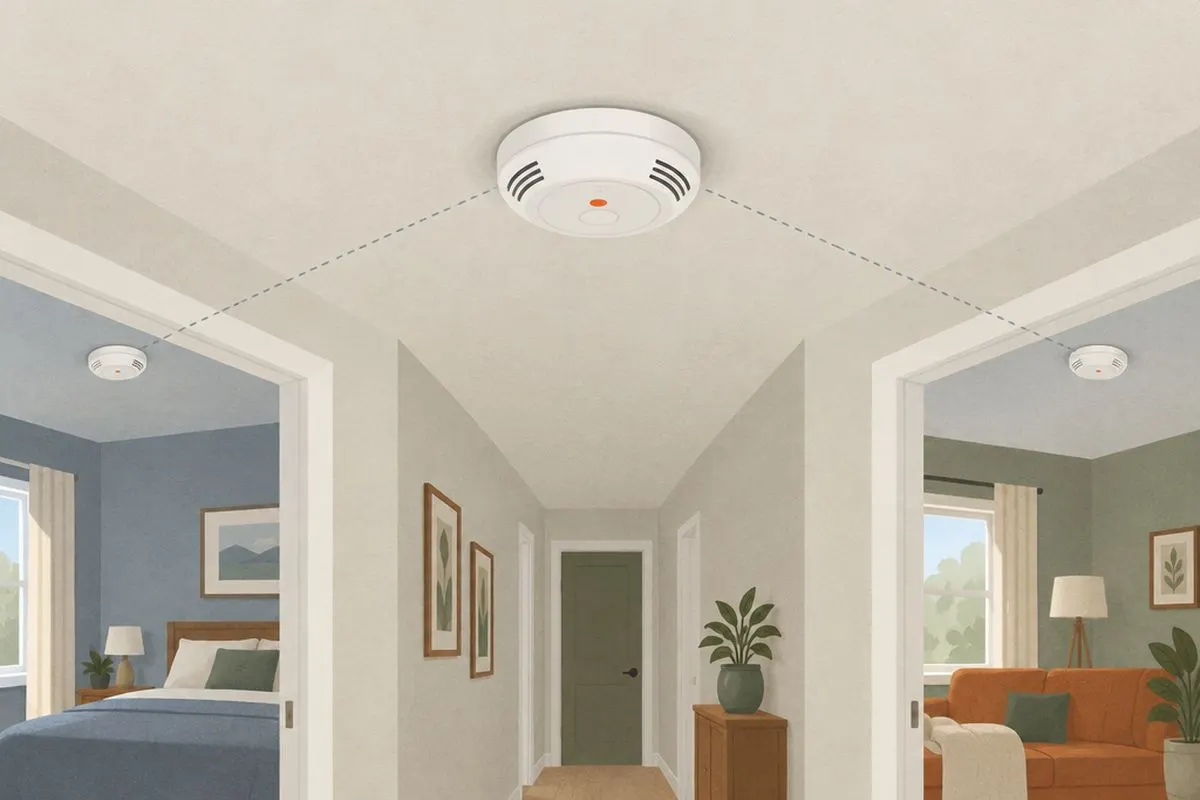
Battery or hardwired alarms that link by radio, so when one sounds they all sound, without running new wire through finished walls. Interconnection is required in new homes, and this is how an existing house gets it.

Why we like it

  • Adds whole-house interconnection without opening walls
  • Kidde's Wire-Free Interconnect hardwired models can bridge to an existing hardwired interconnect
  • Some systems add a base station that sends phone notifications

Watch out for

  • Ecosystems are brand-locked: mixing brands breaks interconnection
  • Check each box for the UL or ULC listing mark; not every model shows one
Best for

Existing homes whose alarms are standalone, where running interconnect wire would mean opening finished walls and ceilings.
Read the full market guide — costs, install effort and alternatives ↓
Market guide

The whole commitment, end to end

What this actually is, what the market looks like, what it really costs, and how much of your time it wants — before you spend anything.

Buying it Easy
Installing it Easy
Living with it Trivial
Up front

X-Sense SD19-W listed at USD $18.99 per unit on its US store. Other models: no reliable public figure. Budget per alarm across every level and bedroom.

Lead time

Off the shelf

Time to install

An hour or two for battery units; an electrician's visit for hardwired

How it works

Each alarm carries a small radio. When one detects smoke or carbon monoxide, it broadcasts the event and every paired unit sounds, in some systems through a base station that can also notify your phone. Hardwired 'wire-free interconnect' units take mains power from the existing box and can relay between a run of old hardwired-interconnected alarms and new wireless ones. Pairing is done within one brand's system; mixed brands generally do not talk to each other.

Who needs it

NFPA 72 and US and Canadian building codes require interconnection in new homes, and wireless interconnection is permitted for retrofits in many jurisdictions. Practically, anyone in an older home with standalone alarms.

Codes, standards and listings

Canada
Smoke alarms are generally listed to CAN/ULC-S531 and CO alarms to CSA 6.19.
United States
Smoke alarms are generally listed to UL 217 and CO alarms to UL 2034. The X-Sense page we checked did not show a UL/ULC claim; check the model listing.

What the market looks like

Kidde sells a Wire-Free Interconnect range in hardwired (20SAR-VRF) and battery (20SDR-VRF) versions. X-Sense sells the SD19-W and XS01-WR; its US store listed the SD19-W at USD $18.99, but X-Sense says it does not ship to Canada, and the page we checked did not show a UL or ULC listing claim. First Alert / BRK sells the Onelink line. Google's Nest Protect was reportedly discontinued in 2025, which we could not confirm. We found no verified Canadian prices.

Features that actually matter

Radio interconnection
One alarm sounding sets off all of them. The safety case is simple: you hear a basement fire from a closed bedroom.
Hardwired bridge
Kidde's hardwired Wire-Free Interconnect models can join an existing hardwired interconnect, so you can extend an older system rather than replace it.
Combination smoke/CO units
Some systems include carbon-monoxide alarms on the same network, so a CO event also sounds throughout the house.
Phone notifications (some systems)
A base station can relay alarms to your phone. Useful when the house is empty; irrelevant to waking people inside it.

What it really costs

Up front
X-Sense SD19-W listed at USD $18.99 per unit on its US store. Other models: no reliable public figure. Budget per alarm across every level and bedroom.
Consumables
Batteries on battery models, per the manufacturer.
What else you'll need
An electrician for hardwired units. No reliable public figure.
Over five years
Mostly the purchase price; smoke alarms are replaced at ten years under NFPA 72.

Retail prices from public listings, October 2026; CAD where Canadian listings exist, otherwise converted at ~1.38.

How it differs from the alternatives

Versus hardwired interconnect
Wired interconnect is what new-build codes expect and does not depend on radio pairing. Wireless is the retrofit answer where wiring would mean opening walls.
Versus standalone alarms
A standalone alarm only warns the room it is in. Interconnection is the upgrade that matters most in an older house.
Brand lock-in
Choose a brand once and stay with it. Mixing brands breaks interconnection, and that decision follows you for ten years.
01

Buying it

Effort Easy

Where: US: Home Depot, Lowe's, Amazon, Best Buy and Walmart. Canada: Home Depot Canada, Canadian Tire, Rona and Amazon.ca. X-Sense says it does not ship to Canada.

Lead time: Off the shelf

Count every alarm you need before buying, keep to one brand and system, and check each box for the listing mark.

02

Installing it

Effort Easy

Time: An hour or two for battery units; an electrician's visit for hardwired

You'll need: Drill · Screwdriver · Ladder

Pair every unit before mounting, then test from each alarm in turn and confirm the whole house sounds.

03

Living with it

Effort Trivial

Test monthly and replace smoke alarms at ten years (NFPA 72). Retest the interconnect after replacing any single unit.

If not this, then what

  • Hardwired interconnected alarmsThe new-build standard; worth doing during a renovation when walls are open anyway.
  • Heat alarms for the garage and atticAdd-ons to the same system for the spaces where smoke alarms nuisance-trip.

Caveats

  • Brand-locked ecosystems; mixing brands breaks interconnection.
  • Google's Nest Protect was reportedly discontinued in 2025; we could not verify this.
  • Listing status was not shown on every product page we checked.
Our verdict

If your alarms do not already talk to each other, this is one of the cheapest meaningful safety upgrades for an existing home. Pick one brand, cover every level and sleeping area, and check the listing mark on each unit.

We don't take payment for placement and we don't sell these products. If you think we've got something wrong here, tell us — we'll correct it.