Independent and reader-supported. Some links are affiliate links — see our disclosure. Codes vary by province, state and city: confirm with your local fire authority.
The right alarm for the rooms where smoke alarms nuisance-trip

Heat Alarms for Garages, Attics and Kitchens

X-Sense · First Alert · Kidde Canada & United States $ · About USD $27 per unit for the one model we could price

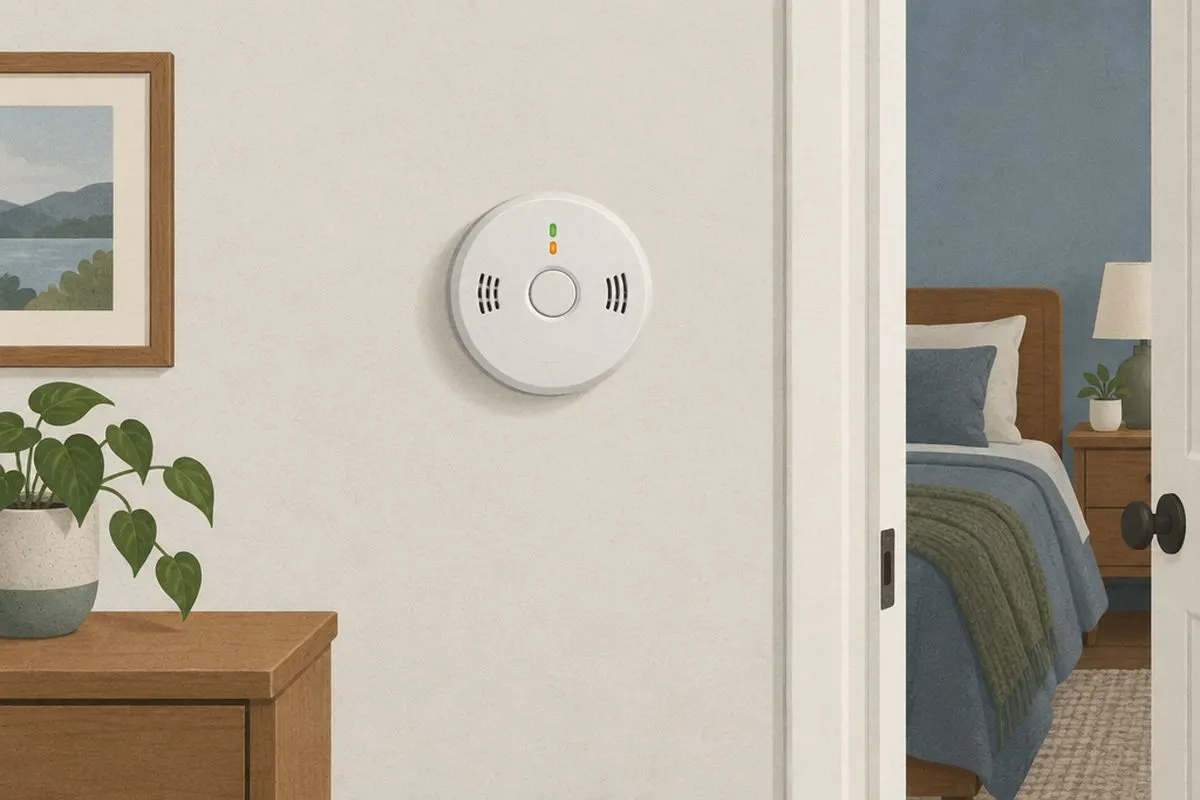
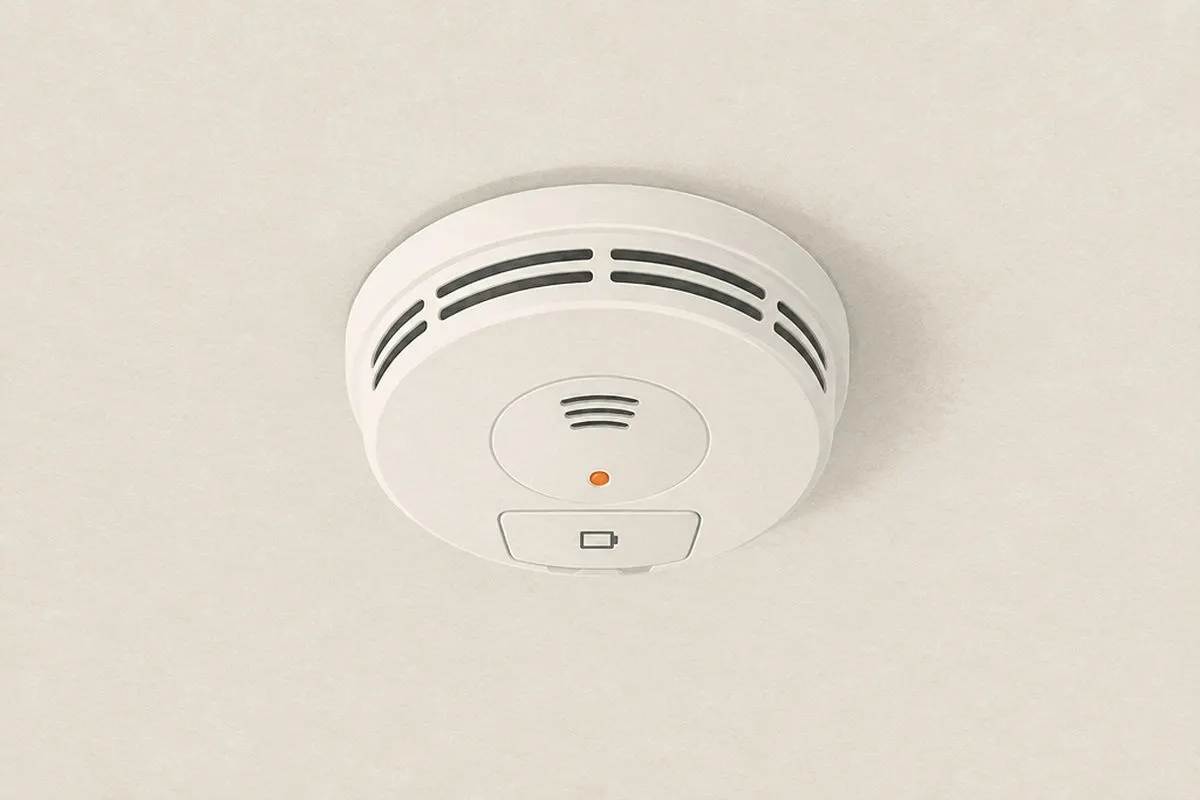
A heat alarm sounds when the air around it reaches a fixed temperature, typically about 57 °C (135 °F), or on some models when it rises quickly. It belongs in garages, attics and next to kitchens where a smoke alarm would false-alarm, and it supplements smoke alarms rather than replacing them.

Why we like it

  • Ignores the exhaust, dust, steam and cooking fumes that make smoke alarms nuisance-trip
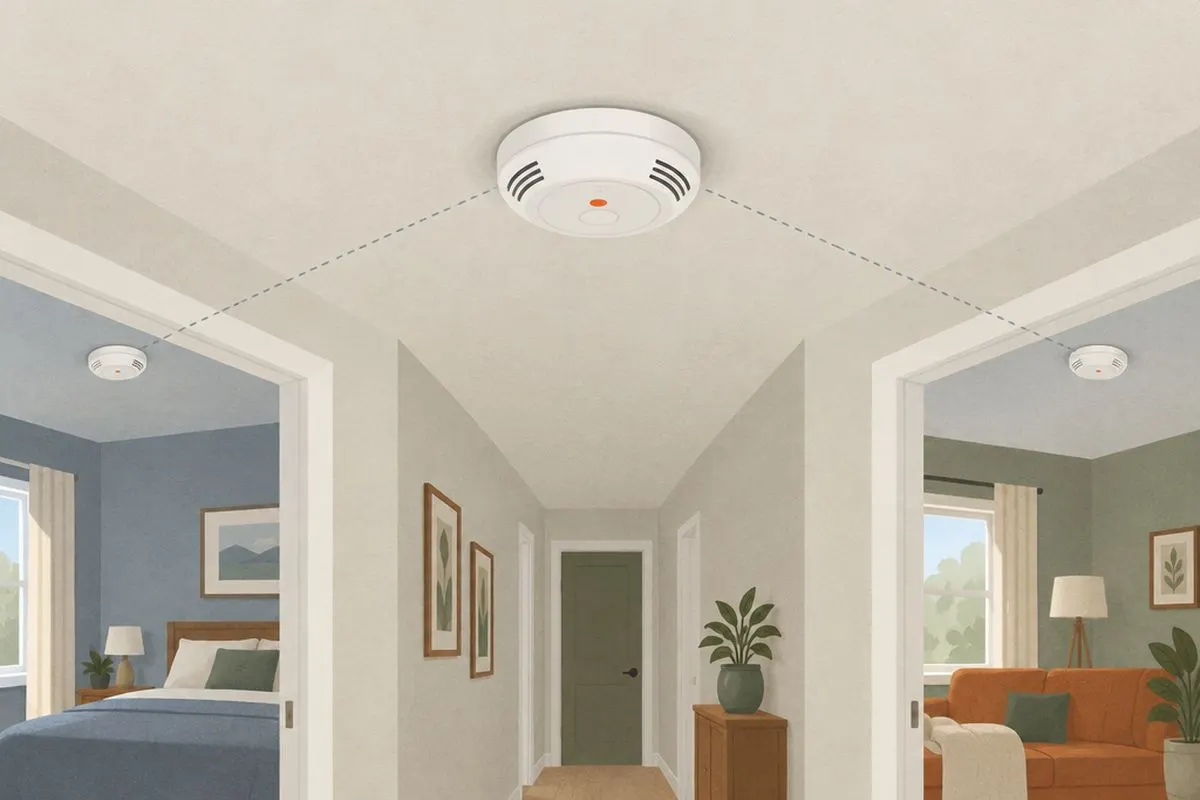
  • Interconnected models set off every alarm in the house, so a garage fire is heard in the bedrooms
  • Inexpensive: the one model we could price was listed at about USD $27

Watch out for

  • Reacts later than a smoke alarm, especially to a slow, smouldering fire
  • Not suitable as the only alarm in sleeping areas or hallways
  • The X-Sense model we priced does not ship to Canada
Best for

Attached garages, attics, furnace rooms and kitchen-adjacent spots, interconnected with the smoke alarms in the rest of the house.
Read the full market guide — costs, install effort and alternatives ↓
Market guide

The whole commitment, end to end

What this actually is, what the market looks like, what it really costs, and how much of your time it wants — before you spend anything.

Buying it Trivial
Installing it Easy
Living with it Trivial
Up front

About USD $27–$30 per unit for the X-Sense XH02-M at its listed US price. No reliable public Canadian figure.

Lead time

Off the shelf

Time to install

Minutes for a battery or wireless unit; an electrician's visit for hardwired

How it works

A thermistor measures the air temperature at the ceiling. When it passes the alarm's fixed threshold, commonly about 57 °C (135 °F), the alarm sounds; some models also trip on a fast rate of rise, which catches a quickly developing fire a little sooner. Interconnected models, wired or wireless, then sound every alarm in the home. Because the device needs hot gases to reach it, it responds later than a smoke alarm, and much later to a smouldering fire that produces smoke but little heat.

Who needs it

Not generally required. Some jurisdictions may require one in an attached garage, but we could not confirm which. Anyone with an attached garage, an attic with equipment in it, or a kitchen where the smoke alarm keeps going off is the natural buyer.

Codes, standards and listings

Canada
Heat detectors are generally listed to CAN/ULC-S530. We have not verified this on specific models; look for the ULC mark on the box.
United States
Heat detectors are generally listed to UL 539, and NFPA 72 permits heat alarms as supplements to smoke alarms. Look for the UL mark.

What the market looks like

A small corner of the alarm market. X-Sense sells an interconnected smart heat alarm, the XH02-M, listed on its US store at USD $26.99; X-Sense states it does not ship to Canada. First Alert / BRK is the other main maker named. Kidde's smoke-alarm line page showed no heat alarms when we checked, so we do not list a Kidde model. We found no verified Canadian price; Canadian shoppers should look at Home Depot Canada, Canadian Tire and electrical wholesalers, and check that the model can join the brand of smoke alarm already in the house.

Features that actually matter

Fixed-temperature trigger
Sounds at a set temperature, typically about 57 °C (135 °F). Normal garage exhaust, steam and toast will not reach it.
Rate-of-rise (some models)
Also trips if the temperature climbs quickly, which shortens the delay on a fast-growing fire. Check the specification; not every unit has it.
Interconnection
The point of fitting one. A heat alarm in a detached-feeling garage is useless if nobody in the bedrooms hears it, so pick one that links to the rest of your alarms.
Hardwired or battery
Hardwired versions go in through an electrician and can join an existing hardwired interconnect; battery and wireless versions can be fitted by the homeowner.

What it really costs

Up front
About USD $27–$30 per unit for the X-Sense XH02-M at its listed US price. No reliable public Canadian figure.
Consumables
Batteries on battery models, per the manufacturer.
What else you'll need
An electrician's call-out if you want a hardwired unit tied into an existing hardwired interconnect. No reliable public figure.
Over five years
Essentially the purchase price. Units are typically replaced at around ten years, per the manufacturer.

Retail prices from public listings, October 2026; CAD where Canadian listings exist, otherwise converted at ~1.38.

How it differs from the alternatives

Versus a smoke alarm
A smoke alarm is faster and is what wakes you; a heat alarm is slower but tolerates places a smoke alarm cannot. Use heat alarms where smoke alarms keep tripping, never instead of smoke alarms where people sleep.
Versus no alarm in the garage
Garages and attics are common fire origins and are usually left without detection because smoke alarms misbehave there. An interconnected heat alarm closes that gap cheaply.
01

Buying it

Effort Trivial

Where: US: Amazon, Home Depot, Lowe's and Best Buy, or the X-Sense US store direct. Canada: Home Depot Canada, Canadian Tire and electrical wholesalers (specific models not verified); X-Sense does not ship to Canada. Hardwired models through an electrician.

Lead time: Off the shelf

Buy within the same brand and system as your existing smoke alarms, or interconnection will not work.

02

Installing it

Effort Easy

Time: Minutes for a battery or wireless unit; an electrician's visit for hardwired

You'll need: Drill · Screwdriver · Ladder

Mount on the ceiling in the space it protects. Pair it with the rest of the system and test that every alarm in the house sounds when you press its test button.

03

Living with it

Effort Trivial

Press the test button monthly and replace the unit at the end of its rated life, typically ten years.

If not this, then what

  • Interconnected smoke alarms throughout the houseThe first priority. A heat alarm only makes sense once these are in place.
  • Wireless interconnected smoke/CO alarmsIf your existing alarms do not talk to each other, fix that first; many wireless systems include a heat-alarm option.

Caveats

  • Should not be used as the only alarm in sleeping areas or hallways.
  • Reacts later than a smoke alarm, and much later to smouldering fires.
  • Canadian pricing and model availability were not verified.
Our verdict

Worth fitting in an attached garage, attic or furnace room, but only as part of an interconnected system so the alarm is heard where people sleep. It is a supplement for awkward spaces, not a substitute for smoke alarms.

We don't take payment for placement and we don't sell these products. If you think we've got something wrong here, tell us — we'll correct it.