Independent and reader-supported. Some links are affiliate links — see our disclosure. Codes vary by province, state and city: confirm with your local fire authority.
The one the evidence favours

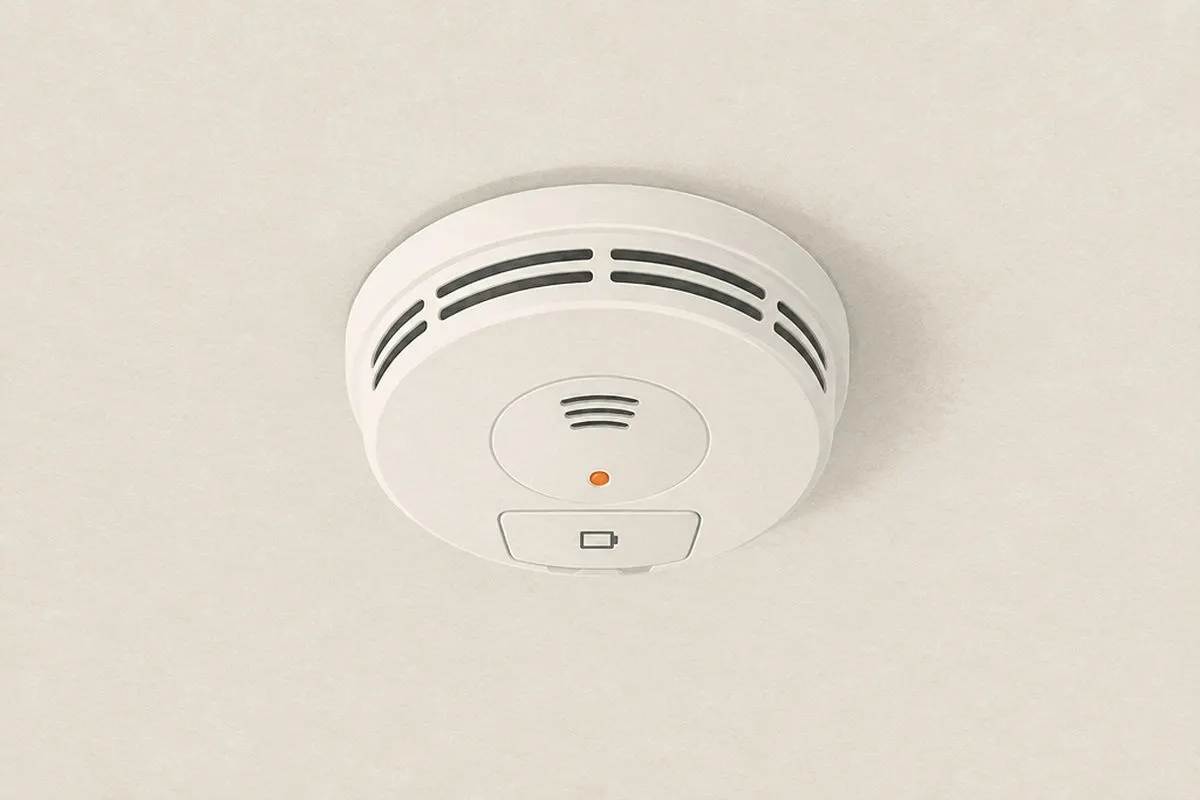
Hardwired Interconnected Smoke Alarm

Kidde / First Alert Canada & United States $ · Per unit; a whole house is 4-8 of them

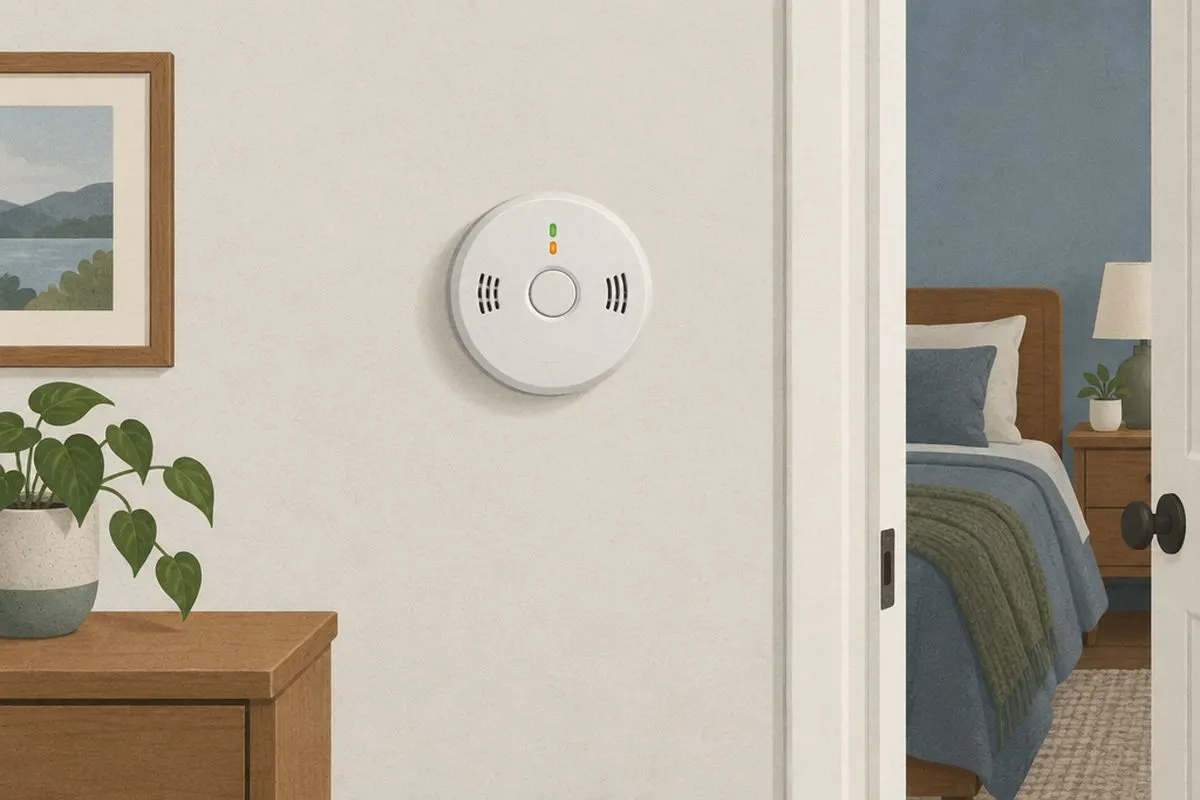
Mains-powered with battery backup, wired so that any one alarm sets off every alarm in the house. This is what building codes require in new construction in both countries, and the configuration that performs best in real fires.

Why we like it

  • Operated in 93% of fires in NFPA's data, against 79% for battery-only units
  • Any alarm sounds all of them — a basement fire wakes a third-floor sleeper
  • Battery backup covers power cuts, which often accompany fires

Watch out for

  • Needs an electrician unless the wiring already exists
  • Retrofitting into a finished house is disruptive and usually not worth opening walls for
Best for

New construction, gut renovations, and any house that already has alarm wiring in place.
Read the full market guide — costs, install effort and alternatives ↓
Market guide

The whole commitment, end to end

What this actually is, what the market looks like, what it really costs, and how much of your time it wants — before you spend anything.

Buying it Trivial
Installing it Moderate
Living with it Trivial
Up front

CAD $25-$70 per alarm. A typical two-storey house with basement needs five to eight.

Lead time

Same day

Time to install

20-40 minutes per location where wiring exists; a day or more for a full retrofit

How it works

A 120 V circuit powers the alarm and keeps a backup battery charged. A third conductor — the interconnect wire — carries a signal between units, so when one detects smoke it triggers every alarm on the loop. Newer systems achieve the same thing over a radio link instead of a wire.

What the market looks like

This is a two-brand market in North America. Kidde and First Alert (BRK) between them hold most of the shelf space, with a long tail of Universal, Ecoey and house brands. Prices run CAD $25 to $70 per unit. The real differentiators are sensor type, whether the unit is combination smoke/CO, and whether interconnection is wired or wireless — not brand. Every unit sold legitimately in Canada or the US is tested to UL 217 or CAN/ULC-S531, so the certification is a floor rather than a selling point.

Features that actually matter

Interconnect wiring
The third wire is the whole point. Codes in both countries require that when more than one alarm is needed, any one sounds all of them within the dwelling.
Battery backup
Required by code and the reason the hardwired failure rate is low. Power failure accounted for only 7% of alarm failures in NFPA's data.
Sensor type
Ionisation is faster on flaming fires, photoelectric on smouldering ones. Dual-sensor units exist and are what USFA recommends if you are not mixing types across the house.
UL 217 8th edition or later
The current standard adds smouldering and flaming polyurethane tests plus a cooking nuisance test. Worth checking, because when NIST tested 45 models against the new criteria, not one met all of them.
Wireless interconnect option
Listed wireless interconnection is accepted for retrofits in the US and in Ontario for houses with secondary suites. Elsewhere in Canada the code language still says wired — check before relying on it.

What it really costs

Up front
CAD $25-$70 per alarm. A typical two-storey house with basement needs five to eight.
Consumables
Backup batteries every year or two on units that have replaceable ones.
What else you'll need
Electrician time if the wiring is not there — commonly CAD $150-$400 per location, which is what makes retrofit uneconomic.
Over five years
Essentially the purchase price. The whole unit is replaced at ten years from manufacture regardless of condition.

Figures are typical street prices in Canadian and US dollars as of September 2026, gathered from public retail listings. They move with the season and with the exchange rate — treat them as a planning band, not a quote.

How it differs from the alternatives

Versus battery-only alarms
The gap is real and measurable: 93% operation versus 79%. Almost all of the difference is human — missing or dead batteries accounted for 71% of all alarm failures and 87% of battery-only failures.
Versus sealed ten-year units
Hardwired wins on reliability and interconnection; sealed units win overwhelmingly on retrofit cost. For an existing finished house, sealed is usually the right answer.
The ten-year rule
Alarms are replaced ten years from the date of manufacture printed on the back — not from when you installed them, and not when the battery dies. This applies to hardwired units too, and is the most commonly ignored rule in home fire safety.
01

Buying it

Effort Trivial

Where: Any hardware or big-box store, electrical wholesalers, Amazon in both countries.

Lead time: Same day

Buy all the units at once and from the same product line. Cross-brand interconnection is not reliable, and mixing generations within a brand can fail too.

02

Installing it

Effort Moderate

Time: 20-40 minutes per location where wiring exists; a day or more for a full retrofit

You'll need: Screwdriver · Voltage tester · Wire connectors · Drill

If the wiring is there, this is a swap most competent DIYers can do with the breaker off. If it is not, get an electrician — and price sealed battery units first, because they may do the job for a tenth of the cost.

03

Living with it

Effort Trivial

Test monthly with the button. Vacuum the grilles twice a year — dust is the main cause of nuisance alarms. Replace backup batteries annually, and the whole unit at ten years.

If not this, then what

  • Sealed ten-year lithium alarmsThe best retrofit. Removes the dominant failure mode without an electrician.
  • Wireless-interconnected battery alarmsInterconnection without wiring. Accepted in US retrofits; check your provincial code in Canada.
Our verdict

If you are building, renovating, or already have the wiring, this is the configuration with the best evidence behind it. If you are not, do not open walls for it — sealed ten-year units get you most of the benefit for a fraction of the cost and disruption.

We don't take payment for placement and we don't sell these products. If you think we've got something wrong here, tell us — we'll correct it.