Independent and reader-supported. Some links are affiliate links — see our disclosure. Codes vary by province, state and city: confirm with your local fire authority.
Two hazards, one mounting point — with a catch

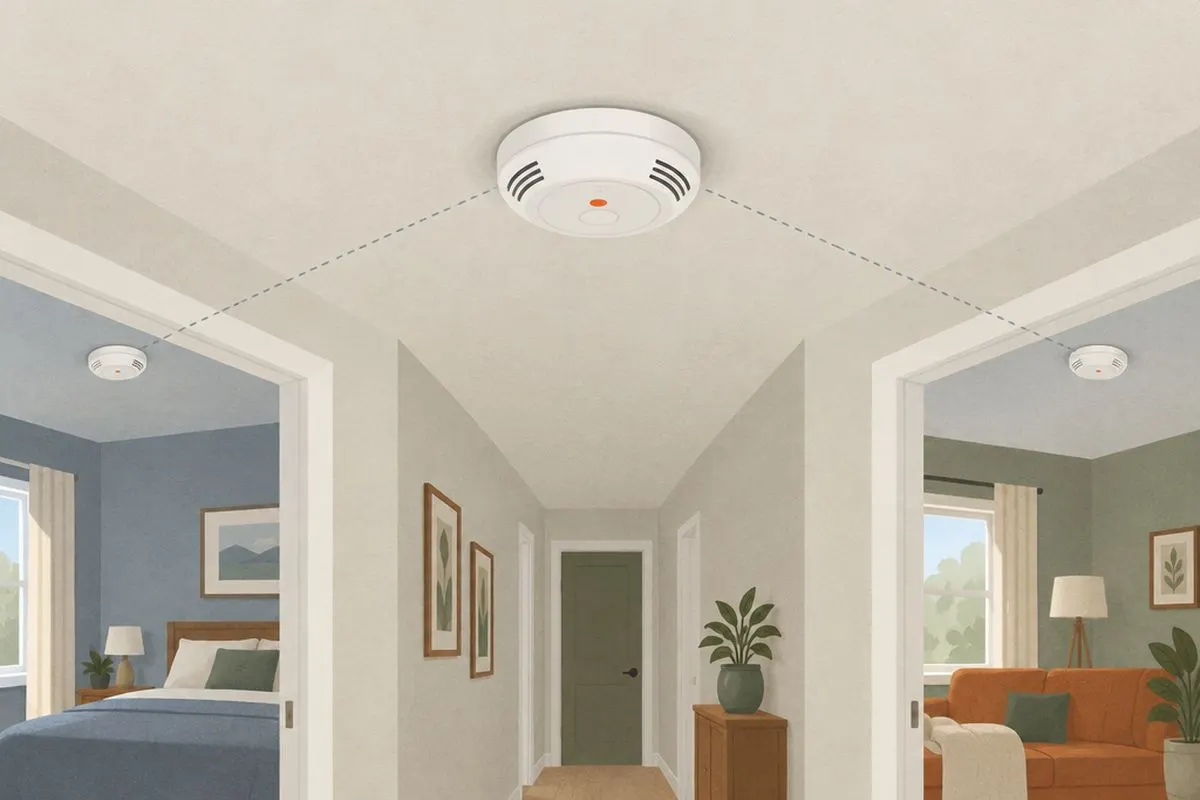
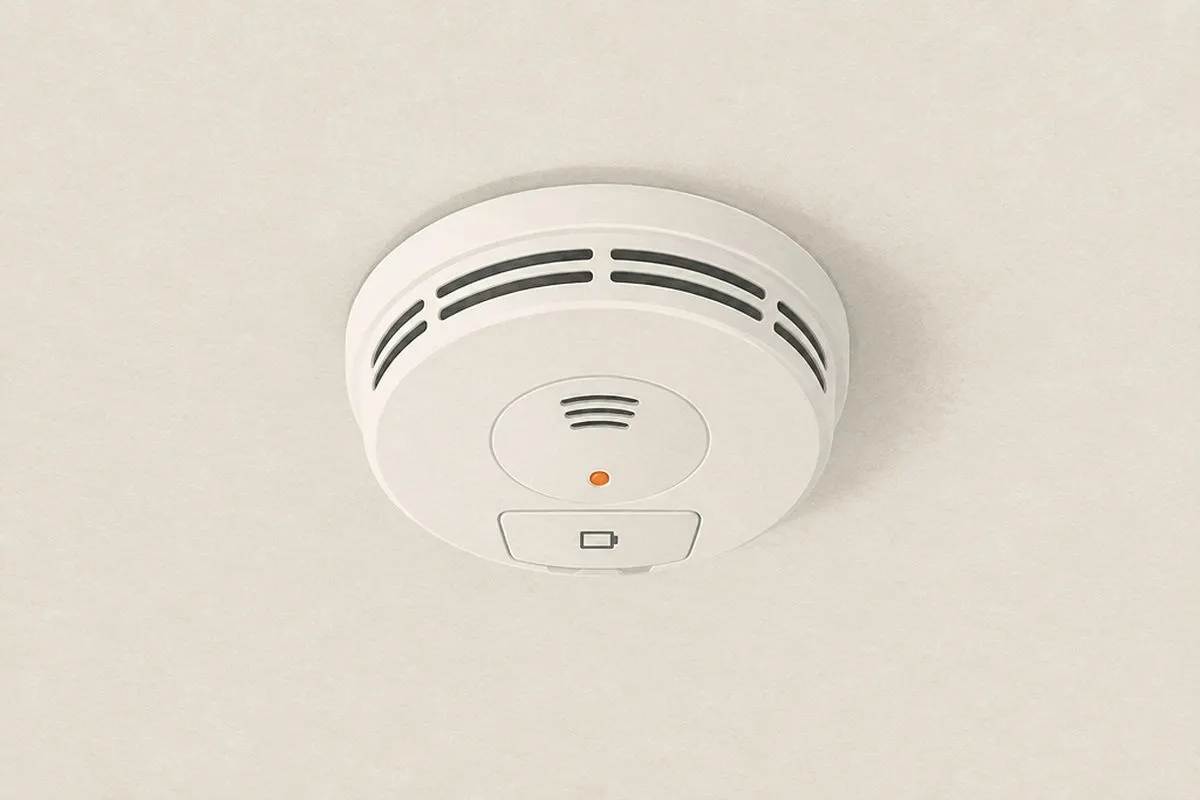
Combination Smoke & Carbon Monoxide Alarm

Kidde / First Alert Canada & United States $ · CO sensor life is the binding constraint

One unit detecting both smoke and carbon monoxide. Convenient and code-acceptable in most places, with a genuine drawback that almost nobody is told about: the CO sensor wears out years before the smoke sensor does.

Why we like it

  • One device, one mounting point, one thing to test
  • Required coverage for both hazards where a fuel-burning appliance or attached garage exists
  • Often cheaper than buying two separate alarms

Watch out for

  • CO sensors typically last about seven years against the smoke alarm's ten — the shorter life governs
  • Ideal mounting height for smoke and for CO are not the same, so one function is compromised
Best for

Homes with a fuel-burning appliance, fireplace or attached garage, where CO coverage is required anyway.
Read the full market guide — costs, install effort and alternatives ↓
Market guide

The whole commitment, end to end

What this actually is, what the market looks like, what it really costs, and how much of your time it wants — before you spend anything.

Buying it Trivial
Installing it Trivial
Living with it Trivial
Up front

CAD $35-$90 per unit.

Lead time

Same day

Time to install

10-15 minutes

How it works

Two sensors in one housing: a photoelectric or ionisation smoke sensor, and an electrochemical cell that reacts to carbon monoxide. They alarm with different sound patterns — the three-pulse temporal pattern for fire, four pulses for CO — because the correct response differs. Fire means get out. CO means get to fresh air and call for help, and the distinction matters.

What the market looks like

Every major alarm brand sells combination units, CAD $35-$90, in sealed, replaceable-battery and hardwired versions. The standards are UL 217 for the smoke side and UL 2034 in the US, CAN/CSA-6.19 in Canada, for the CO side. The category has grown quickly because Canadian provinces have progressively mandated CO alarms — Ontario expanded its requirement to every storey as of January 2026 — and a combination unit is the path of least resistance to compliance.

Features that actually matter

Distinct alarm patterns
Three pulses for fire, four for CO. Better units announce which hazard in speech, which removes a genuinely dangerous ambiguity at 3 a.m.
CO detection thresholds
UL 2034 requires an alarm within 60-240 minutes at 70 ppm, 10-50 minutes at 150 ppm, and 4-15 minutes at 400 ppm — and requires the unit not to alarm below 30 ppm. Advocacy groups argue that floor is too high for infants, pregnant people and cardiac patients; low-level monitors exist outside the standard.
End-of-life signal
More important here than on a smoke-only alarm, because the CO cell expires first and a silently dead CO sensor is invisible.
Sealed or replaceable
Sealed ten-year combination units exist, but check whether the manufacturer rates the CO function for the full ten years — many do not.

What it really costs

Up front
CAD $35-$90 per unit.
Consumables
Batteries on replaceable models.
What else you'll need
Nothing.
Over five years
You will likely be replacing the unit around year seven rather than year ten, so budget for one full replacement cycle sooner than a smoke-only alarm.

Figures are typical street prices in Canadian and US dollars as of September 2026, gathered from public retail listings. They move with the season and with the exchange rate — treat them as a planning band, not a quote.

How it differs from the alternatives

Versus separate alarms
Two units let you put the smoke alarm on the ceiling where it belongs and the CO alarm at the height the manufacturer specifies, and let each run its full life. A combination unit trades that for convenience.
The placement compromise
Smoke alarms work best on the ceiling. CO alarms are commonly specified on a wall, and 5-15 ft from fuel-burning appliances. A combination unit cannot satisfy both ideals at once.
The life-mismatch trap
Thinking in ten-year smoke alarm terms with a seven-year CO sensor means running an expired CO detector for three years. Go by whichever sensor expires first, and by the unit's own end-of-life signal.
01

Buying it

Effort Trivial

Where: Hardware and big-box stores, Amazon in both countries.

Lead time: Same day

Check the CO sensor's stated life on the box, not just the alarm's. If the packaging does not say, assume seven years.

02

Installing it

Effort Trivial

Time: 10-15 minutes

You'll need: Drill · Screwdriver · Ladder

Follow the manufacturer's height instruction rather than habit — it is different from a plain smoke alarm. Keep it 5-15 ft from fuel-burning appliances, and out of the path of steam from bathrooms.

03

Living with it

Effort Trivial

Test monthly. Replace at the CO sensor's rated life, not the smoke alarm's. If your alarm has been in place since before you can remember, it is expired.

If not this, then what

  • Separate smoke and CO alarmsCorrect placement for both, full life from each sensor, one more device to mount.
  • Low-level CO monitorAlarms far below the UL 2034 floor. Worth considering where someone in the house is pregnant, elderly or has a heart condition.
Our verdict

A sensible default where you need both and want one device — as long as you replace it on the CO sensor's clock. If you have somewhere sensible to put two alarms, two alarms is technically the better installation.

We don't take payment for placement and we don't sell these products. If you think we've got something wrong here, tell us — we'll correct it.