Reader-supported. Some links are affiliate links — see our disclosure. Evacuate when ordered; no product replaces leaving early.
Best attic & soffit vent

Vulcan Ember-Resistant Vents

Vulcan Technologies United States & Canada $$ · Per vent; typical home needs 8–20

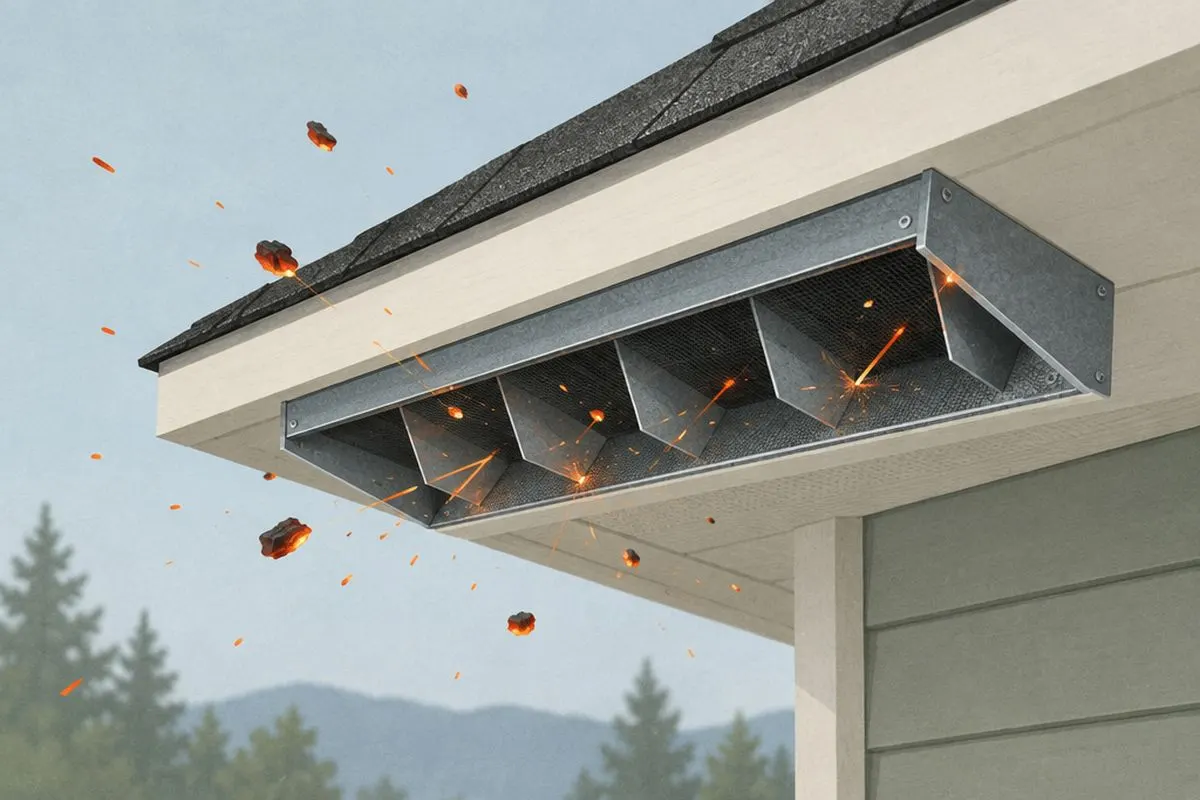
WUI-listed vents with an intumescent honeycomb that expands and seals at roughly 350°F, plus 1/8 in mesh. Available in soffit, gable, foundation and dormer formats in standard sizes.

Why we like it

  • Intumescent seal blocks flame, not just embers
  • Full range of sizes
  • California WUI listed

Watch out for

  • Pricier than mesh-only vents
  • Once activated, vents must be replaced
Best for

Whole-house vent replacement.

Read the full market guide — costs, install effort and alternatives ↓
Market guide

The whole commitment, end to end

What this actually is, what the market looks like, what it really costs, and how much of your time it wants — before you spend anything.

Buying it Moderate
Installing it Moderate
Living with it Trivial
Up front

CAD $70–$220 per vent. A typical bungalow has 8–20 vents; a two-storey with a complex roof, 20–40.

Lead time

2–6 weeks typical; longer for non-standard sizes

Time to install

15–40 minutes per vent; a full house is a weekend or a day for a contractor

How it works

A replacement vent that looks like a normal soffit, gable or foundation vent until it gets hot. Inside is an intumescent material that expands when exposed to fire or high heat and plugs the opening completely, sealing the attic or crawlspace against embers and flame. The rest of the year it ventilates normally, which is the whole trick — you cannot simply block a vent, because the building needs the airflow.

What the market looks like

Ember-resistant vents are a small but maturing market driven almost entirely by California building code. Chapter 7A of the California Building Code and the associated WUI listings created the demand, and the credible manufacturers — Vulcan, Brandguard, and a handful of others — all build to that standard. Prices run CAD $60–$220 per vent. Outside California there is no code requirement anywhere in North America yet, which means the market is entirely voluntary and most homeowners have never heard of the product. That is unfortunate, because attic vents are the single most common route by which embers get inside a house.

Features that actually matter

Intumescent closure
Expands and seals under heat. Passive, no power, no maintenance, nothing to activate.
Normal ventilation when cold
Net free area comparable to the vent it replaces, so you do not create a moisture problem in the attic.
WUI listing
Tested to California's Chapter 7A ember-intrusion and flame-impingement protocols. This is the only meaningful third-party validation in the category — ask for the listing number.
Standard sizes
Made in common North American vent dimensions so most swaps are drop-in.
Multiple types
Soffit, gable, dormer, foundation and roof vents — you generally need a mix.

What it really costs

Up front
CAD $70–$220 per vent. A typical bungalow has 8–20 vents; a two-storey with a complex roof, 20–40.
Consumables
None. Passive device, no service parts.
What else you'll need
Cross-border shipping if buying US product into Canada, plus duty. Paint if you want them to match.
Over five years
Nil. This is genuinely buy-once.

Figures are typical street prices in Canadian and US dollars as of September 2026, gathered from public retail listings. They move with the season and with the exchange rate — treat them as a planning band, not a quote.

How it differs from the alternatives

Versus 1/8 in ember mesh
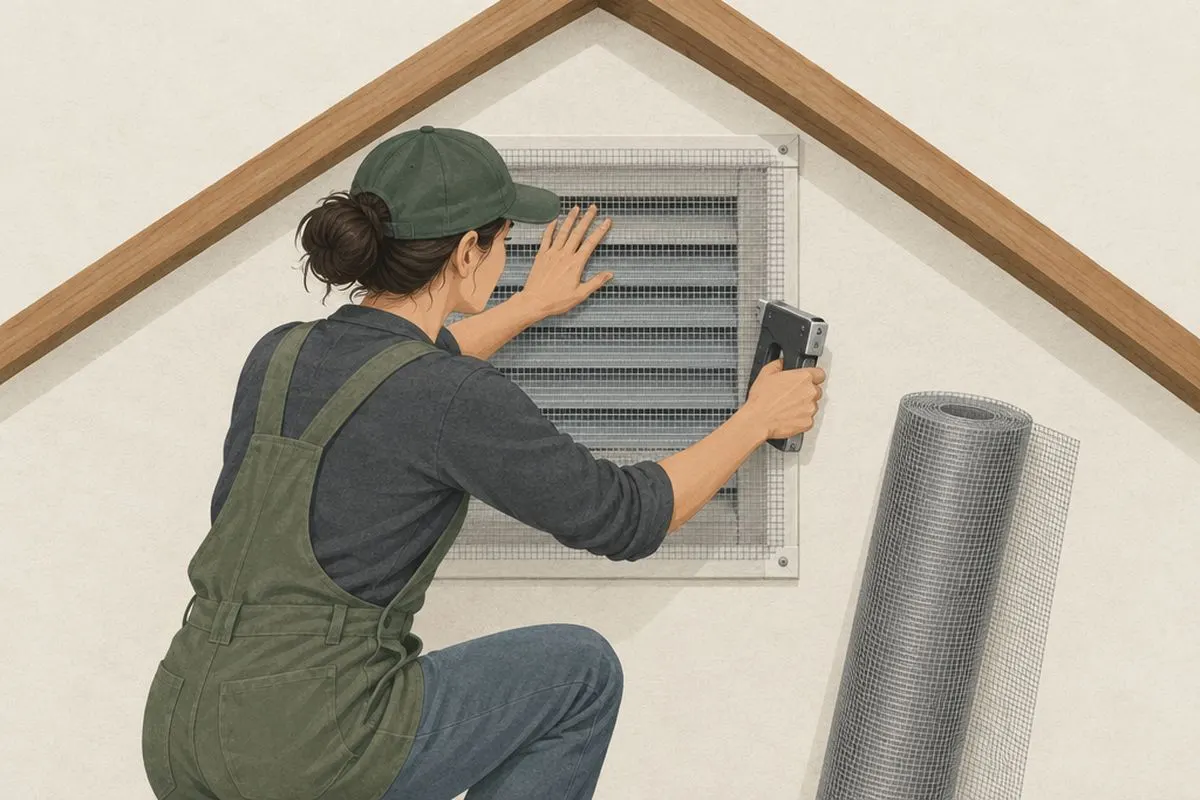
Mesh is a tenth the price and stops the majority of embers. It does not stop flame impingement and it does not seal. If budget is tight, mesh everything first — then upgrade the two or three vents most exposed to the fuel.
Versus Brandguard
Broadly equivalent performance and price. Brandguard uses a baffle-and-mesh geometry, Vulcan an intumescent plug. Vulcan tends to be easier to source in Canada; availability should probably decide it for you.
Versus blocking vents with plywood on the day
People plan this and then are not home, or are home and forget the crawlspace. A passive device does not depend on you.
The under-appreciated point
Vents are where houses actually get lost. Post-fire investigations keep finding intact exteriors with burned-out attics. This is not a glamorous purchase and it may be the highest-leverage one on the site.
01

Buying it

Effort Moderate

Where: Vulcan direct, WUI-focused building suppliers, and a growing number of Canadian building-supply dealers. Many are ordered rather than stocked.

Lead time: 2–6 weeks typical; longer for non-standard sizes

Count and measure every vent on the house before you call — soffit, gable, roof, foundation, dryer and crawlspace. People routinely order for the ones they can see and discover four more later.

02

Installing it

Effort Moderate

Time: 15–40 minutes per vent; a full house is a weekend or a day for a contractor

You'll need: Ladder · Drill/driver · Pry bar · Utility knife · Caulk gun · Tin snips for oversize openings

Soffit vents are straightforward if you are comfortable on a ladder. Gable and roof vents are less so. Most homeowners do the soffits themselves and hire out the roof. Budget CAD $600–$2,000 for a contractor to do a whole house.

03

Living with it

Effort Trivial

Inspect annually for paint over-spray blocking the vent and for wasp nests. Otherwise nothing.

If not this, then what

  • Brandguard Ember & Flame VentsEquivalent alternative; buy whichever you can actually get.
  • 1/8 in stainless ember meshA tenth the cost, most of the benefit for embers, none of it for flame. A legitimate stepping stone.
Our verdict

The best money on this site per dollar of risk removed, and the one nobody buys because it is invisible. If you do one structural upgrade, do the vents.

We don't take payment for placement and we don't sell these products. If you think we've got something wrong here, tell us — we'll correct it.