Reader-supported. Some links are affiliate links — see our disclosure. Evacuate when ordered; no product replaces leaving early.
Best installed system

Frontline Wildfire Defense System

Frontline United States $$$$ · Professionally installed; quote-based

Permanently installed roof sprinkler system with its own pump, water storage and app-based remote activation. Coats the home in a foam-water mix that clings to surfaces. Aimed at high-value homes in California and the Western US.

Why we like it

  • Remote activation from anywhere
  • Integrated water storage and pump
  • Firefighting foam adds surface protection

Watch out for

  • Expensive
  • Requires professional install
  • US-only service area
Best for

Owners who won't be home when a fire arrives and want automation.
Read the full market guide — costs, install effort and alternatives ↓
Market guide

The whole commitment, end to end

What this actually is, what the market looks like, what it really costs, and how much of your time it wants — before you spend anything.

Buying it Hard
Installing it Major project
Living with it Moderate
Up front

CAD $20,000–$55,000 / USD $15,000–$40,000 installed for a typical single-family home. Larger or multi-building properties run well past that.

Lead time

6–16 weeks from first call to commissioning, longer if the water source needs work

Time to install

2–5 days on site, plus permitting and water-source work

How it works

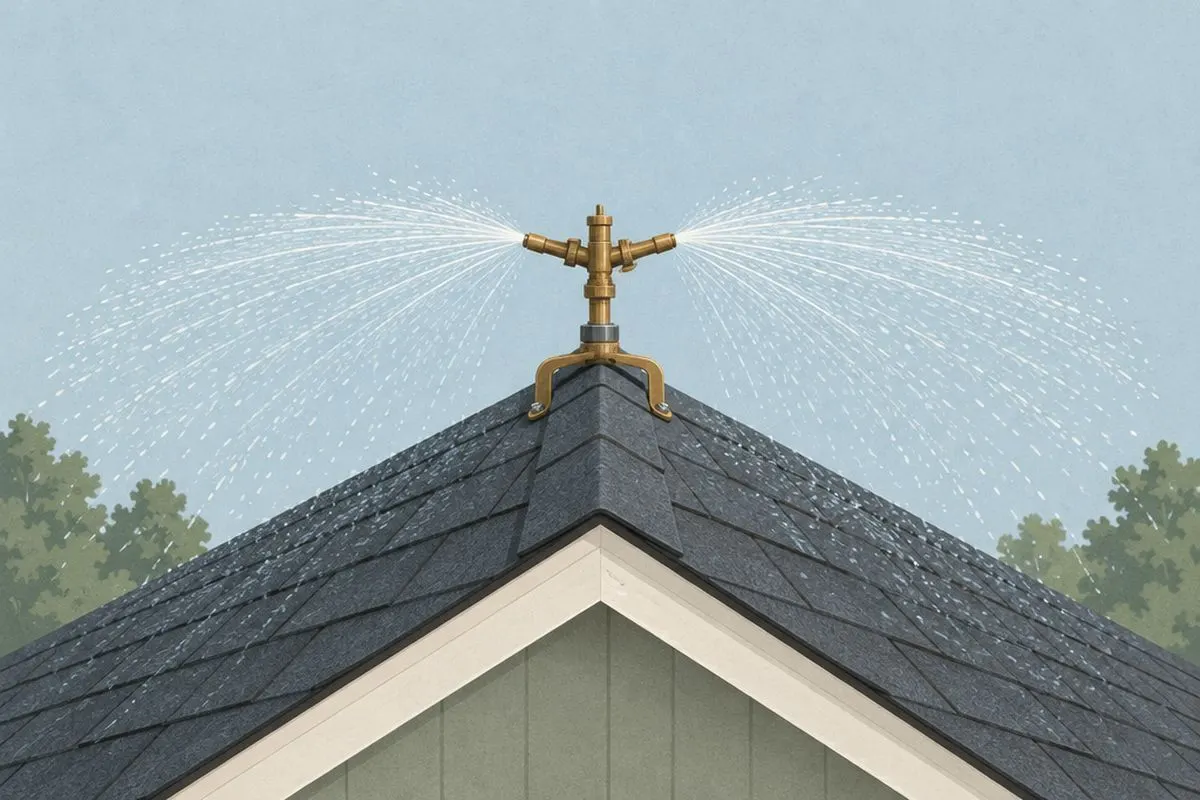
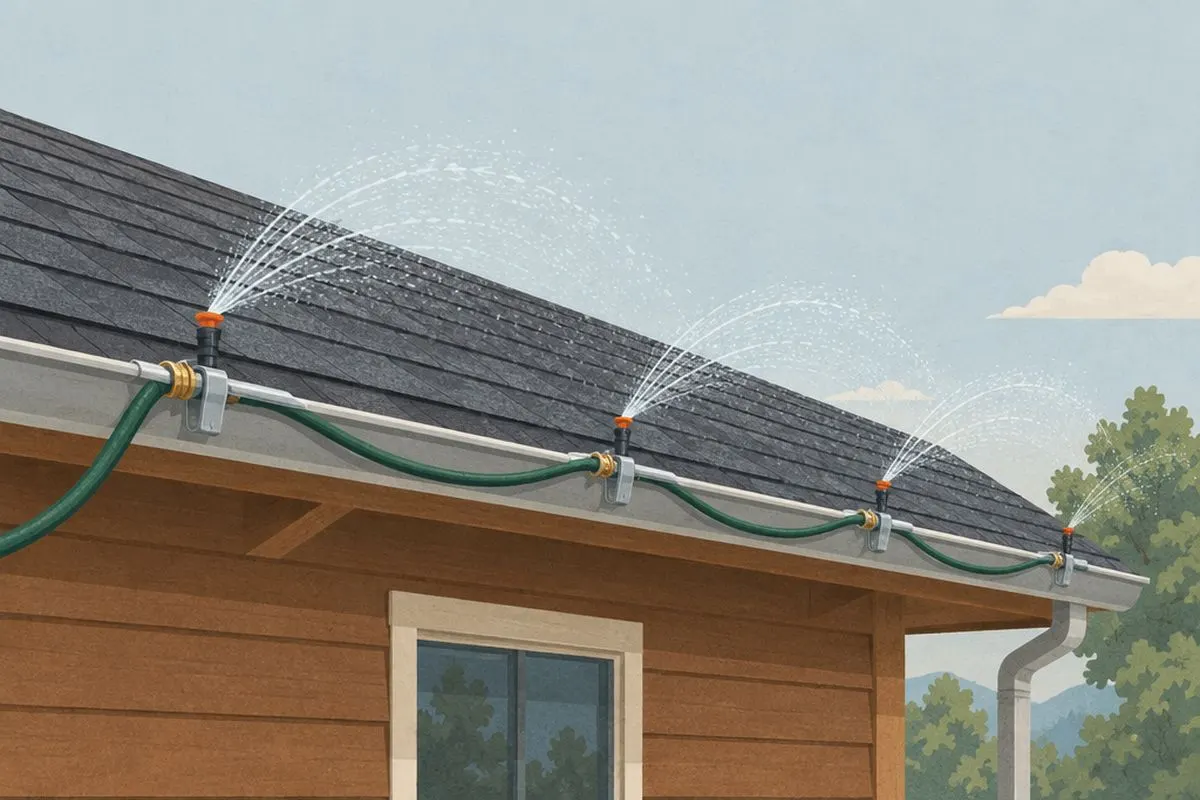
A permanently installed system: sprinkler heads mounted to the roof, ridge or eaves and plumbed with rigid pipe, fed by a dedicated pump drawing from a tank, pool or well, with a controller that you trigger from a phone app. You are buying the ability to turn the house on from wherever the evacuation order caught you.

What the market looks like

Permanent residential wildfire sprinkler systems are a genuine industry now, roughly $15,000–$40,000 installed, with Frontline the best-known North American brand and a growing set of regional installers building equivalent systems from off-the-shelf components. The market splits between brand-name packaged systems (Frontline, a few US competitors) and custom builds by local fire-protection contractors, who are often 20–30% cheaper for equivalent hardware but vary enormously in design competence. There is no certification standard for residential wildfire sprinkler design, which means the installer's judgment is the product you are actually buying.

Features that actually matter

Remote activation
Cellular or satellite controller lets you start the system from anywhere. This is the entire reason the category exists.
Dedicated water source
Sized to run 2–6 hours unassisted from a tank, cistern, pool or well — independent of municipal pressure, which is the thing that fails during a major fire.
Permanent plumbing
No setup time, no ladder, nothing to forget. Freeze protection via drain-down or heat trace, depending on your climate.
Full-perimeter design
A site survey drives head placement across roof, deck, outbuildings and the vulnerable wall sections — not just the front elevation.
Monitoring
Most packages report pump status, tank level and pressure so you know it actually ran, rather than hoping.

What it really costs

Up front
CAD $20,000–$55,000 / USD $15,000–$40,000 installed for a typical single-family home. Larger or multi-building properties run well past that.
Consumables
Pump fuel or power. A propane or diesel pump burns CAD $30–$80 per run.
What else you'll need
If you do not already have a tank or a pool, the water storage is often 25–40% of the total. Some sites also need electrical work for the controller and pump.
Over five years
Budget CAD $500–$1,200 a year for annual commissioning, pump service and winterisation. Systems that are not serviced do not start.

Figures are typical street prices in Canadian and US dollars as of September 2026, gathered from public retail listings. They move with the season and with the exchange rate — treat them as a planning band, not a quote.

How it differs from the alternatives

Versus every clip-on kit
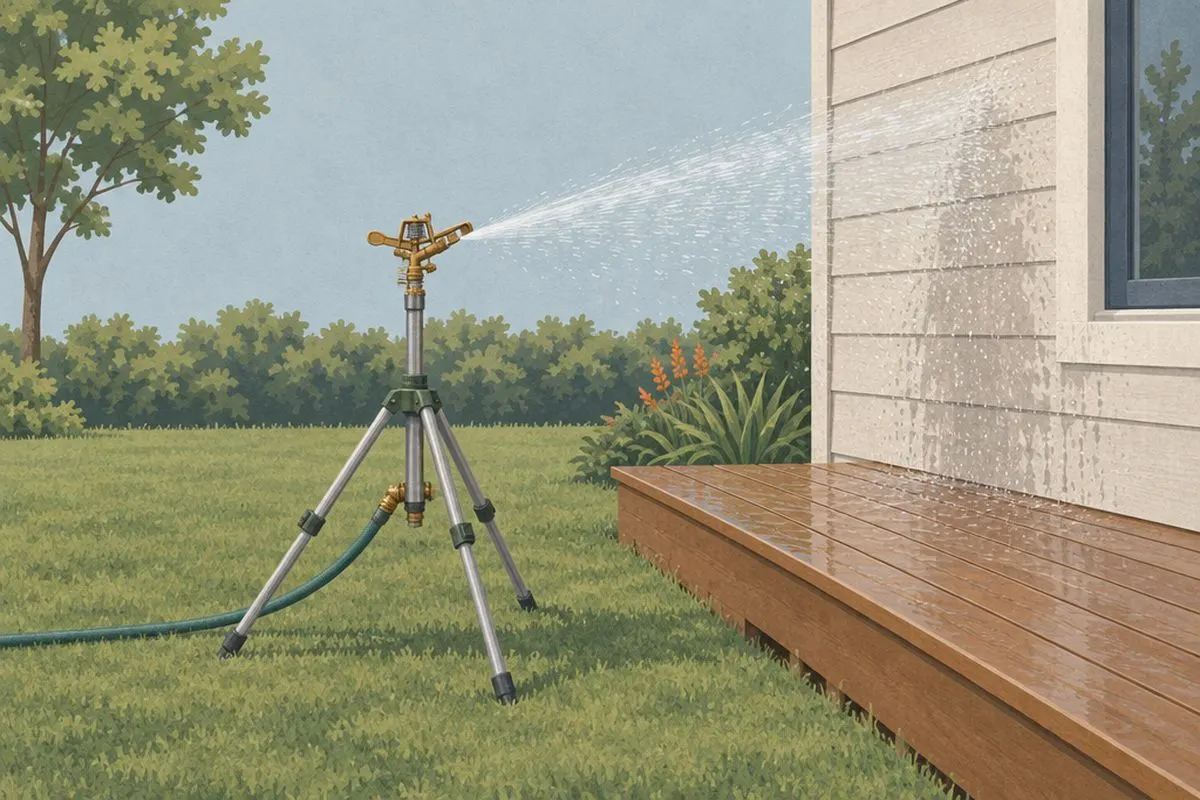
The clip-on kits require a person, a ladder and an hour. This requires a phone. If you travel, work away, or have any realistic chance of being ordered out before you can get home, that is the whole argument.
Versus a custom local build
Frontline gives you a known design, a warranty and a support line. A good local fire-protection contractor gives you the same hardware for less and knows your water table. A bad one gives you an expensive lawn sprinkler on the roof.
Insurance
A small but growing number of Canadian insurers will discuss terms on a professionally installed and documented system in a high-risk postal code. Ask before you buy, get it in writing, and do not assume.
Resale
In BC and Alberta interface communities this is starting to appear in listings as a feature. In most markets it is not yet a recoverable investment.
01

Buying it

Effort Hard

Where: Frontline direct or through their authorised installer network; regional wildfire-protection contractors for custom builds.

Lead time: 6–16 weeks from first call to commissioning, longer if the water source needs work

Get three quotes and make each one show you head placement on a site plan and the calculated run time from your actual water source. If a quote does not contain a run-time number, it is not an engineered system, it is a price.

02

Installing it

Effort Major project

Time: 2–5 days on site, plus permitting and water-source work

You'll need: Nothing — this is a contractor install

Homeowner installation is not realistic and would void the warranty. Expect roof penetrations, a pump pad, electrical and possibly a plumbing permit.

03

Living with it

Effort Moderate

Annual service before fire season, winterisation after. Test-fire it yourself in the spring — do not take the app's word for it. This is the category where 'installed and forgotten' fails most often.

If not this, then what

  • Clip-on kit plus a portable pump and tankRoughly a fifth of the cost, most of the wetting, none of the remote activation. The right answer for most people.
  • A local fire-protection contractor's custom systemOften 20–30% less for the same hardware. Quality of design varies wildly — vet hard.
Our verdict

Worth it if you are absent-risk: a second property, a job that takes you away in August, or a road out that closes early. If you will reliably be home with two hours' warning, the money is better spent on vents, a pump and Zone 0.

We don't take payment for placement and we don't sell these products. If you think we've got something wrong here, tell us — we'll correct it.