Independent and reader-supported. Some links are affiliate links — see our disclosure. Codes vary by province, state and city: confirm with your local fire authority.
Use a listed system and a licensed installer

Home Battery Storage (ESS) Fire Safety

Installed system Canada & United States $$$$ · Installed system; no reliable public figure

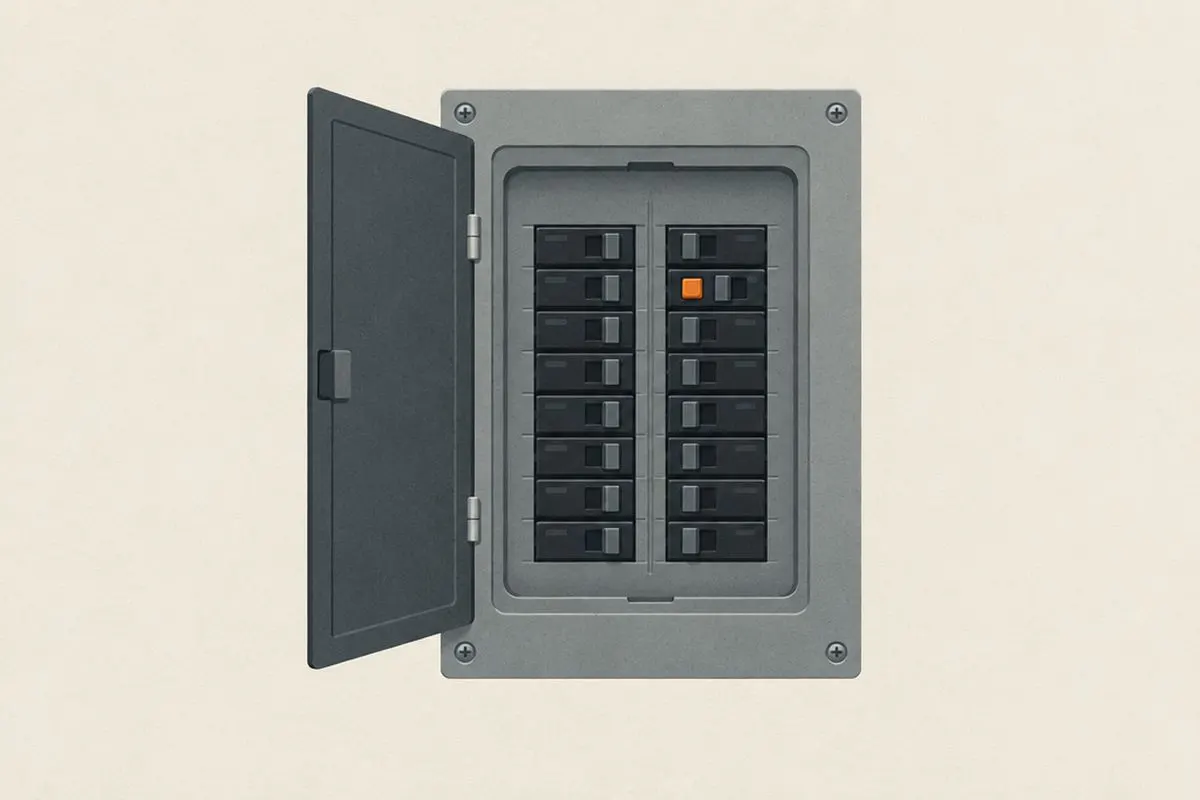
Wall-mounted home batteries, often paired with solar for backup power, carry rules on where they go, how much capacity is allowed and what detection is needed, all to manage the risk of thermal runaway. The protection comes from a listed system installed by a licensed electrician or solar installer to code.

Why we like it

  • Code rules on siting, capacity and separation manage the main risk
  • Listed systems have been tested as a whole, not just cell by cell
  • Installation by a licensed installer brings permitting and inspection

Watch out for

  • A battery fire is hard to put out, so siting rules matter more than suppression
  • Confirm the code sections with your installer and local authority
Best for

Homeowners adding solar backup or whole-home battery storage who want to know what a compliant installation looks like.
Read the full market guide — costs, install effort and alternatives ↓
Market guide

The whole commitment, end to end

What this actually is, what the market looks like, what it really costs, and how much of your time it wants — before you spend anything.

Buying it Hard
Installing it Major project
Living with it Easy
Up front

No reliable public figure.

Lead time

Design, permitting and inspection through the installer

Time to install

No reliable public figure; depends on the system and permitting

How it works

The risk is thermal runaway: a failing cell heats itself, vents flammable gas and spreads to neighbouring cells. Codes manage this by limiting where batteries go in a dwelling and how much capacity is allowed, requiring listed systems, separating the batteries from living spaces, and often requiring a smoke or heat alarm in the room where they are installed. The system itself is listed as a whole, and its fire behaviour is characterised by a standard test method.

Who needs it

Anyone installing battery storage in a dwelling. In the US, NFPA 855, IRC R328 and the IFC apply; in Canada, the Canadian Electrical Code and provincial rules.

Codes, standards and listings

Canada
CSA C22.2 No. 340 for the system; Canadian Electrical Code and provincial rules for installation.
United States
UL 9540 (system listing) and UL 9540A (fire test method); NFPA 855, IRC R328 and the IFC govern installation.

What the market looks like

Home batteries are installed by licensed electricians and solar installers rather than bought off the shelf. Prices depend on capacity and the installation, so get quotes; insist on a system listed to UL 9540 (CSA C22.2 No. 340 in Canada).

Features that actually matter

Listed system
In the US, look for a system listed to UL 9540; in Canada, CSA C22.2 No. 340. Ask the installer for the listing.
Fire test data
UL 9540A is a test method that characterises how a battery fire propagates. It informs siting and separation requirements.
Siting and separation
Codes restrict where in a home a battery may go and require separation from living spaces. A garage or exterior wall is common; a bedroom closet is not.
Detection
A smoke or heat alarm in the installation room is often required. Interconnect it with the rest of the house.

What it really costs

Up front
No reliable public figure.
Consumables
None.
What else you'll need
Permits, any required alarm in the installation room, and any separation work. No reliable public figure.
Over five years
No reliable public figure. Maintenance is per manufacturer, including firmware updates.

Retail prices from public listings, October 2026; CAD where Canadian listings exist, otherwise converted at ~1.38.

How it differs from the alternatives

Listed system versus assembled components
A system listed as a whole has been tested together. A do-it-yourself assembly of cells, inverter and enclosure has not.
Siting versus suppression
There is no practical home extinguisher answer to a large battery fire. Where the battery is placed, and how it is separated from where people sleep, is the safety measure.
01

Buying it

Effort Hard

Where: Licensed solar installers and electrical contractors. Not an off-the-shelf retail purchase.

Lead time: Design, permitting and inspection through the installer

Ask the installer which listing the system carries, where it will be sited and why, and whether a smoke or heat alarm will be added in that room.

02

Installing it

Effort Major project

Time: No reliable public figure; depends on the system and permitting

You'll need: Licensed electrician or solar installer

Installation must follow the electrical code and local fire rules. Not a do-it-yourself job.

03

Living with it

Effort Easy

Follow the manufacturer's maintenance schedule and keep firmware updated. Test the alarm in the installation room with the rest of the house.

If not this, then what

  • Portable generatorA different risk profile (carbon monoxide and fuel) but no lithium storage in the house.
  • Grid-tied solar without storageNo battery, no thermal-runaway risk, but no backup when the grid is down.

Caveats

  • Code requirements differ by province, state, city and code edition. Confirm with your authority having jurisdiction (the local fire official or building department) before relying on a specific clause.
  • Prices depend on capacity, the inverter and the installation; get at least two quotes from licensed installers.
Our verdict

A home battery can be installed safely, but the safety comes from a listed system, correct siting and a licensed installer, not from anything you add afterward. Confirm the listing and siting with your installer before you sign.

We don't take payment for placement and we don't sell these products. If you think we've got something wrong here, tell us — we'll correct it.