Independent and reader-supported. Some links are affiliate links — see our disclosure. Codes vary by province, state and city: confirm with your local fire authority.
Buy certified, charge in the right place — skip the gadgets

Lithium-Ion and E-Bike Charging Safety at Home

Practice, not a product Canada & United States $ · Mostly habits; no product to price

E-bikes, scooters and power-tool batteries can produce intense, fast-spreading fires, especially when the battery or charger is uncertified or damaged. The main protection is buying certified products and charging them safely, not a special accessory.

Why we like it

  • The most effective steps (certified products, original charger, sensible charging location) cost little or nothing
  • Addresses the cause rather than trying to contain a battery fire after it starts
  • A smoke or heat alarm near the charging spot gives early warning cheaply

Watch out for

  • No product makes an uncertified or damaged battery safe
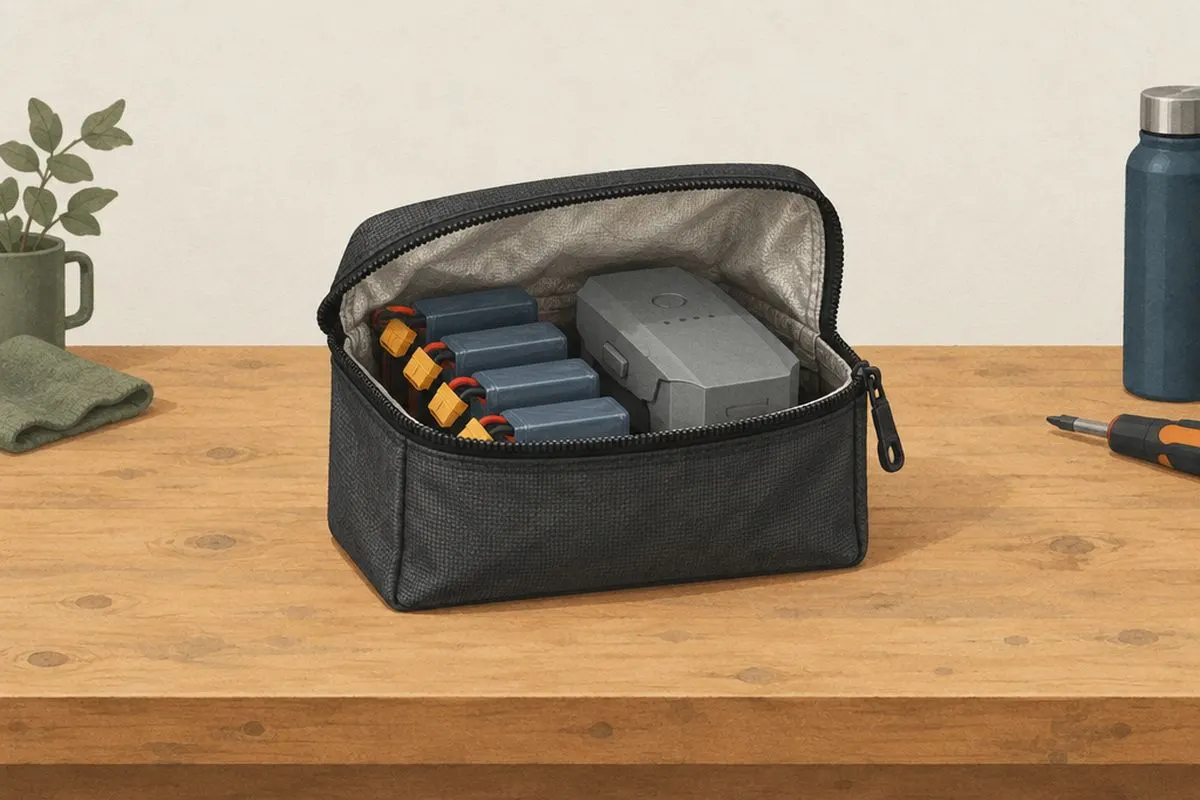
  • 'Fireproof' charging bags sold online are generally unlisted, and their effectiveness for large e-bike packs is doubtful
Best for

Any household that charges an e-bike, e-scooter or large power-tool battery indoors.
Read the full market guide — costs, install effort and alternatives ↓
Market guide

The whole commitment, end to end

What this actually is, what the market looks like, what it really costs, and how much of your time it wants — before you spend anything.

Buying it Trivial
Installing it Trivial
Living with it Trivial
Up front

No product cost for the practices themselves. Certified e-bikes and replacement batteries vary widely; no reliable public figure.

Lead time

Not applicable

Time to install

Minutes to choose and set up a charging spot

How it works

A damaged, defective or badly charged lithium-ion cell can go into thermal runaway: it heats itself, vents flammable gas and ignites neighbouring cells, producing a fire that is intense, fast and hard to put out. Certification standards test the whole electrical system, battery and charger together, to reduce that risk. Safe practice then limits the consequences: charge with the manufacturer's charger, on a hard surface, not overnight and not where a fire would block your way out, with an alarm nearby, and retire any battery that is damaged or swollen.

Who needs it

Everyone who charges an e-bike, e-scooter or large battery at home. New York City requires e-bikes and batteries sold there to be certified to UL 2849 or UL 2271.

Codes, standards and listings

Canada
No Canada-specific standard; look for products certified to the same UL standards.
United States
UL 2849 (e-bike electrical systems), UL 2272 (personal e-mobility devices) and UL 2271 (batteries).

What the market looks like

There is no single product here. The protection comes from buying e-bikes and scooters certified to UL 2849 or UL 2272 from mainstream retailers, and from charging habits. Storage cabinets and charging bags are sold, but they reduce rather than eliminate risk, and the bags commonly sold online are generally unlisted. New York City requires e-bikes and batteries sold there to be certified to UL 2849 or UL 2271.

Features that actually matter

Certified e-bikes and scooters
Look for UL 2849 (e-bike electrical systems) or UL 2272 (personal e-mobility devices) on the product, not just on the charger.
Use the original charger
A mismatched charger is a common route to overcharging. Replace a lost charger with the manufacturer's part.
Charge where a fire cannot trap you
Not overnight, not in a hallway or by the only exit, and on a hard surface away from soft furnishings.
Alarm coverage
A smoke or heat alarm near the charging spot, ideally interconnected, so a battery fire is heard throughout the house.
Retire damaged packs
Swollen, dented, wet or overheating batteries should be taken out of service and recycled, not charged.

What it really costs

Up front
No product cost for the practices themselves. Certified e-bikes and replacement batteries vary widely; no reliable public figure.
Consumables
None.
What else you'll need
A smoke or heat alarm for the charging area if it is not already covered.
Over five years
No reliable public figure.

Retail prices from public listings, October 2026; CAD where Canadian listings exist, otherwise converted at ~1.38.

How it differs from the alternatives

Certification versus accessories
A certified battery and charger addresses the cause. A bag or cabinet only tries to contain a fire after it starts.
Charging bags
'Fireproof' LiPo bags sold online are generally unlisted, and their usefulness for a large e-bike pack is doubtful. Do not treat one as permission to charge an uncertified battery indoors.
01

Buying it

Effort Trivial

Where: Certified e-bikes, scooters and batteries from mainstream retailers. There is no specific product to buy for this entry.

Lead time: Not applicable

Check the certification on the product itself, and buy replacement batteries and chargers from the original manufacturer.

02

Installing it

Effort Trivial

Time: Minutes to choose and set up a charging spot

You'll need: None

Pick a charging location on a hard surface, away from exits and bedrooms, with an alarm nearby.

03

Living with it

Effort Trivial

Inspect batteries regularly, replace damaged packs and recycle old ones properly rather than putting them in household waste.

If not this, then what

  • Heat or smoke alarm at the charging spotCheap early warning, especially for a garage or basement charging area.
  • Charging outdoors or in a detached spaceKeeps a battery fire away from the people in the house.

Caveats

  • 'Fireproof' LiPo charging bags sold online are generally unlisted; effectiveness for large e-bike packs is doubtful.
  • Local rules on e-bike sales and charging are changing quickly; check your city's current rules.
Our verdict

Buy certified e-bikes and scooters, use the original charger, and charge where a fire would not trap anyone. That does more than any accessory. Treat charging bags as a weak extra, not a solution.

We don't take payment for placement and we don't sell these products. If you think we've got something wrong here, tell us — we'll correct it.