Reader-supported. Some links are affiliate links — see our disclosure. Evacuate when ordered; no product replaces leaving early.
Best structure wrap

Firezat Fire Shield Structure Wrap

Firezat United States $$$$ · Sold by the roll; a cabin needs several

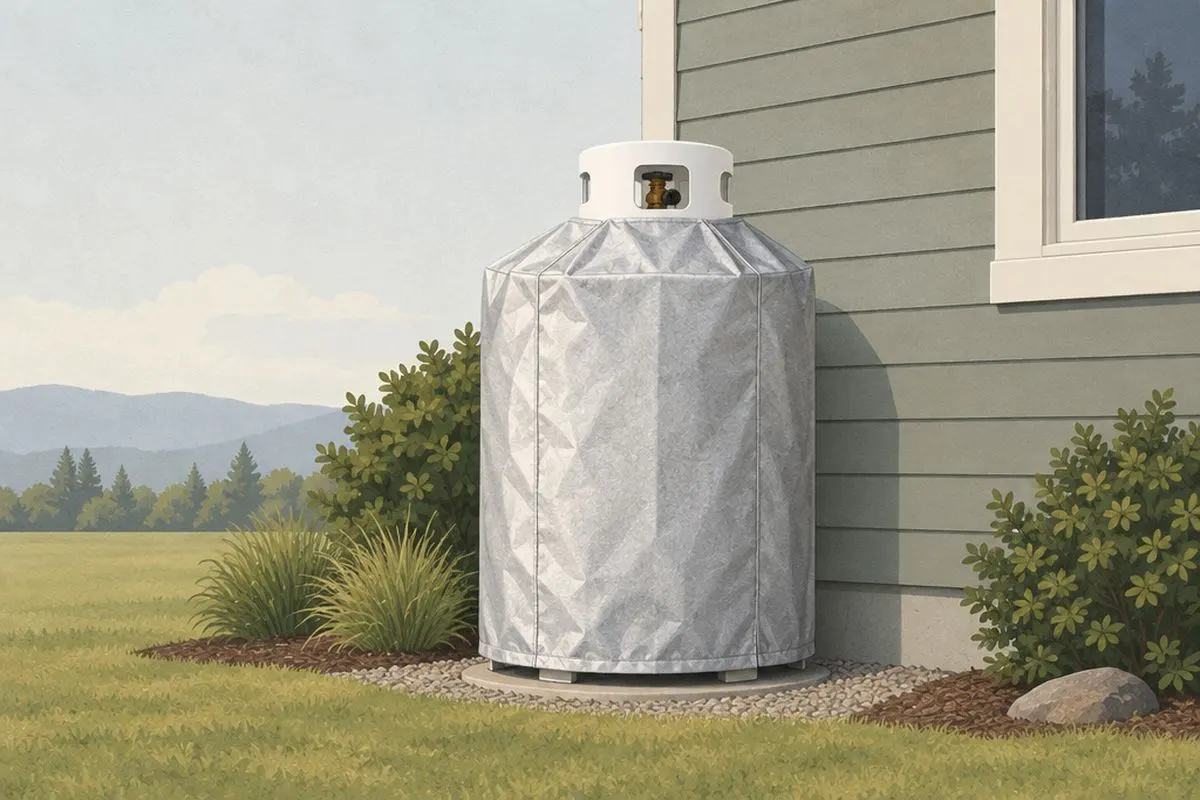
Aluminized fibreglass wrap of the type used by the US Forest Service to protect historic cabins and lookouts. Reflects up to 95% of radiant heat. Realistic for sheds, cabins, pump houses and tank enclosures.

Why we like it

  • Proven on real fires
  • Reflects radiant heat and blocks embers
  • Reusable if handled carefully

Watch out for

  • Hours of labour and multiple people to install
  • Impractical for large homes
  • Must be sealed at every seam
Best for

Cabins, outbuildings and anything you can wrap in an afternoon.
Read the full market guide — costs, install effort and alternatives ↓
Market guide

The whole commitment, end to end

What this actually is, what the market looks like, what it really costs, and how much of your time it wants — before you spend anything.

Buying it Moderate
Installing it Major project
Living with it Easy
Up front

CAD $4,000–$14,000 / USD $3,000–$11,000 for a house kit, depending on size and complexity.

Lead time

3–10 weeks — kits are made to your building's measurements

Time to install

4–8 hours for a house with two to three people, if rehearsed. Longer the first time — much longer.

How it works

A reflective aluminium-faced fabric that you fasten over the exterior of a structure before a fire front arrives. It reflects radiant heat and blocks direct ember contact with the wall and roof surfaces underneath. It is the same principle firefighters use when they wrap historic cabins and lookouts ahead of a burn — which is exactly where the technique comes from.

What the market looks like

Structure wrap is a genuinely proven technique with a very small consumer market. Firezat is the best-known homeowner-facing brand; the rest of the category is professional wrap sold to agencies for fire-line use. Consumer kits run CAD $3,500–$12,000 for a house. The problem is not efficacy — agencies use it because it works — it is deployment: wrapping a house is a multi-person job that takes hours, needs practice, and has to happen before the front arrives but after you would rather have left.

Features that actually matter

Reflective aluminium face
Rejects the radiant heat that ignites siding, trim and window frames without any flame contact.
Fibreglass-reinforced substrate
Strong enough to survive the wind and handling that wrapping a house involves.
Custom-cut kits
Sold cut to your building's dimensions with a fastening scheme, rather than as a roll you improvise from.
Reusable
If it is not damaged, it comes off and goes back in the crate for next time.
Covers what nothing else can
Windows, eaves, decks and log walls all at once — surfaces that sprinklers and gel each only partly address.

What it really costs

Up front
CAD $4,000–$14,000 / USD $3,000–$11,000 for a house kit, depending on size and complexity.
Consumables
Fasteners and tape per deployment, CAD $100–$300. Damaged panels after a real deployment.
What else you'll need
Storage space. A crate of wrap is bulky and must stay dry.
Over five years
Purchase price plus replacement of damaged sections. Realistically, most kits are deployed zero or one times in five years.

Figures are typical street prices in Canadian and US dollars as of September 2026, gathered from public retail listings. They move with the season and with the exchange rate — treat them as a planning band, not a quote.

How it differs from the alternatives

Versus gel
Wrap does not need water and does not dry out, so it holds indefinitely once up. It takes far longer to deploy and costs several times as much.
Versus sprinklers
Sprinklers run unattended for hours but need water and pressure. Wrap needs neither but needs people and time. Neither substitutes for the other.
The deployment problem
This is the honest issue with the category. Wrapping a two-storey house is a 4–8 hour job for two or three people with ladders, in smoke, under an evacuation order. If you have not rehearsed it, you will not complete it.
Where it genuinely wins
Log homes, heritage cabins, remote structures with no water supply, and outbuildings you plan to wrap early and leave. Also the only good answer for a structure you can prepare days ahead and then walk away from.
01

Buying it

Effort Moderate

Where: Firezat direct and a small number of wildfire equipment specialists.

Lead time: 3–10 weeks — kits are made to your building's measurements

You will need accurate elevation dimensions before ordering. Take photos of every face of the building and get the supplier to check your take-off.

02

Installing it

Effort Major project

Time: 4–8 hours for a house with two to three people, if rehearsed. Longer the first time — much longer.

You'll need: Ladders — several · Staple gun or cap nailer · Foil tape · A second and ideally third person

Rehearse it. Once, fully, on a calm spring day, with a stopwatch. If the rehearsal takes eleven hours you have learned something vital while it was still safe to learn it. Wrap the roof and the upwind elevation first if you run short of time.

03

Living with it

Effort Easy

Keep it dry, keep the take-off diagram with the crate, and re-rehearse whenever the household changes — a two-person job becomes impossible when one person moves out.

If not this, then what

  • Barricade gel plus sprinklersFaster to deploy, needs water, comparable or better for a conventional house with a decent supply.
  • Wrapping only the outbuilding or the exposed elevationA much smaller kit, a realistic deployment time, and most of the value if one face carries the risk.
Our verdict

The technique works — agencies would not use it otherwise. Whether it works for you comes down to one question: can you and the people who will actually be present put it up in the time you will actually have? Answer that with a rehearsal, not with optimism.

We don't take payment for placement and we don't sell these products. If you think we've got something wrong here, tell us — we'll correct it.